

Blog
Peru's Lost Inca City May Have Been Found
in Blog Posts
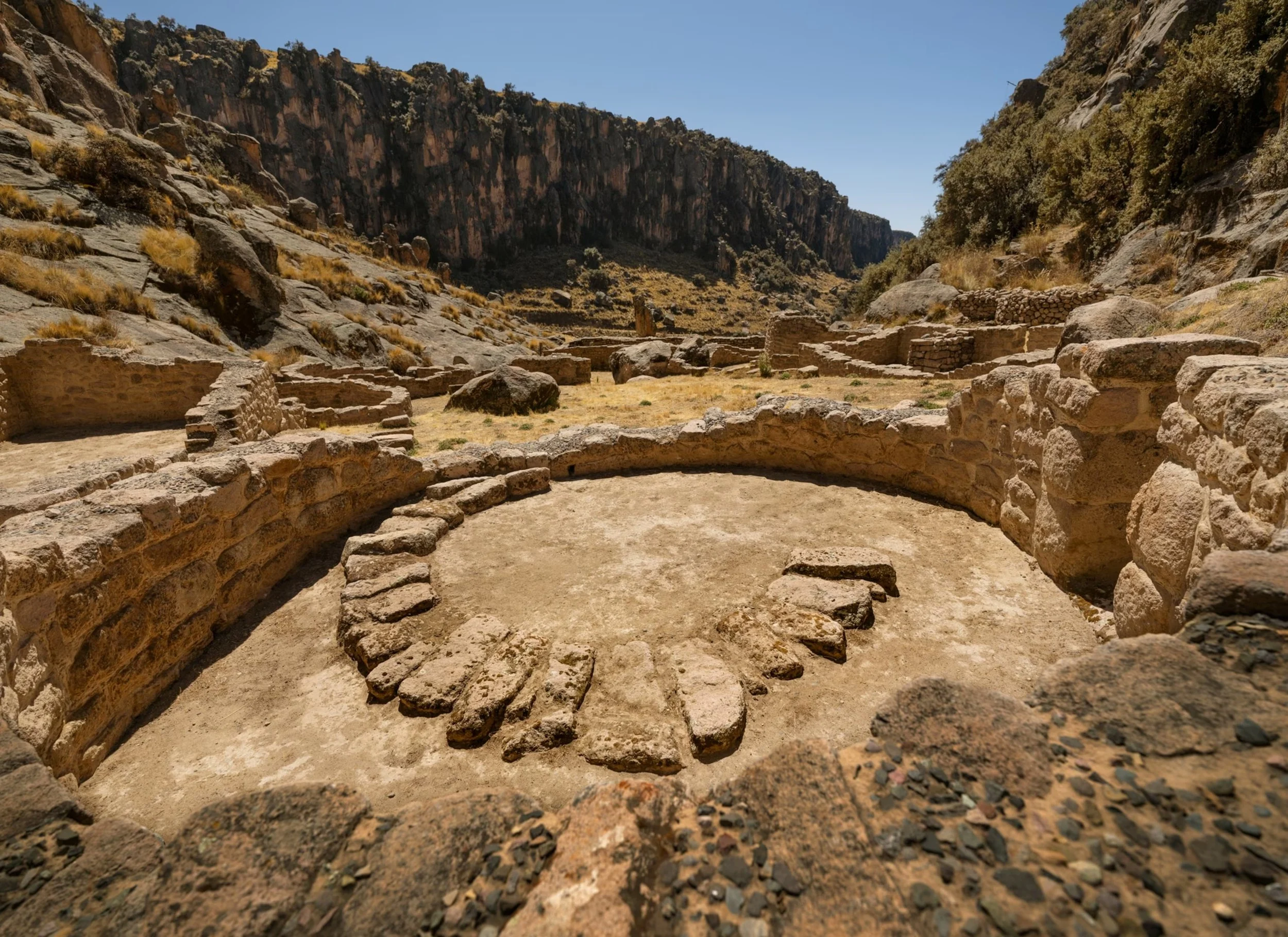
Hidden in the southern Peruvian Andes sits an ancient site that could be four times the size of Machu Picchu, and until recently, almost no one knew it existed. Archaeologists now believe T'aqrachullo, a dramatic clifftop mesa above the Apurímac River, is possibly one of the most sacred and most elusive sites in all of Inca history, and some are going even further, suggesting it could be a long lost Inca city hidden in plain sight for centuries.
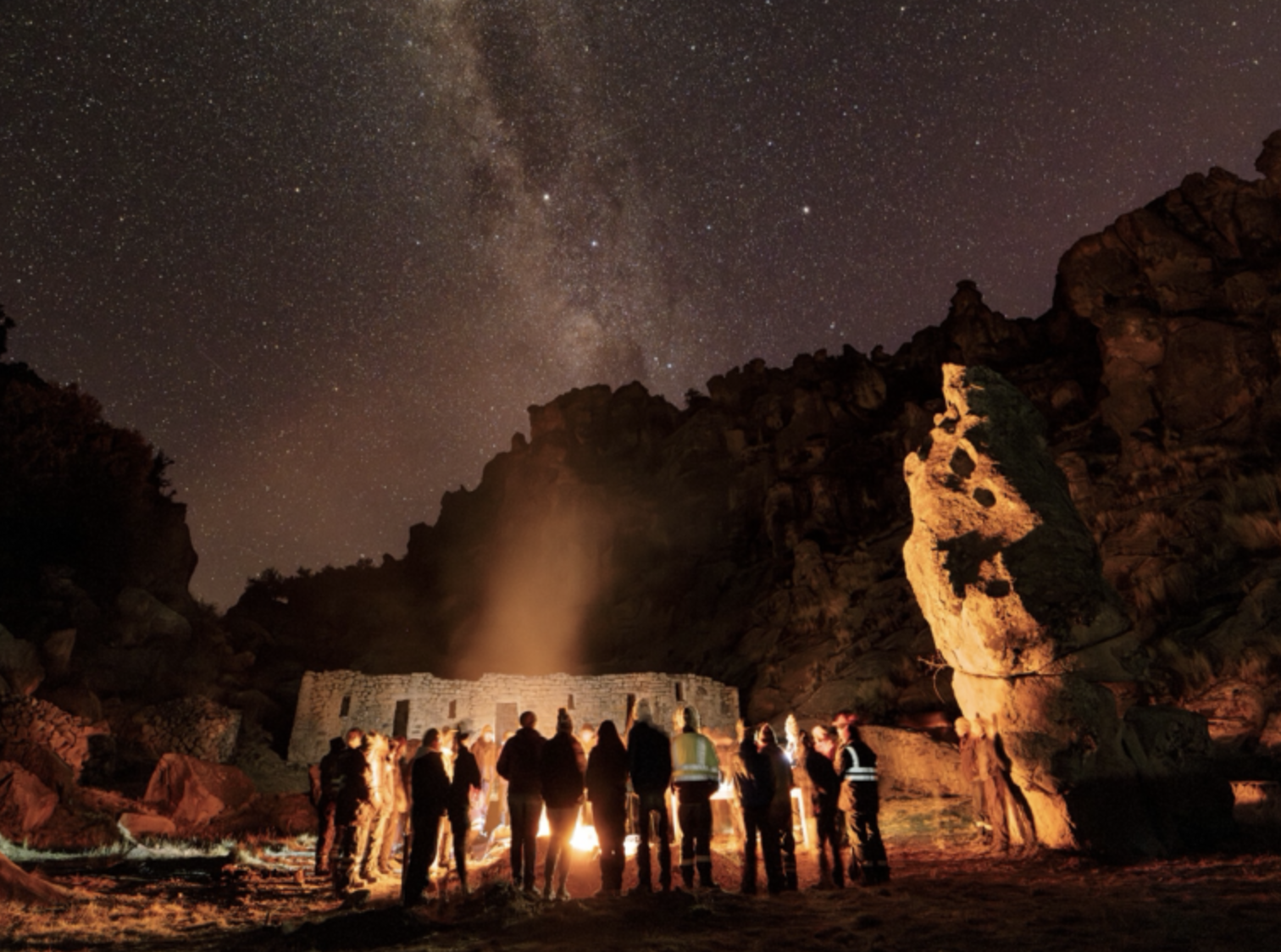
T'aqrachullo was not always so unknown. In its prime, the site sat along the Inca's extraordinary road network, a system spanning some 25,000 miles that connected the empire from modern day Quito, Ecuador to Santiago, Chile. Along these routes flowed goods, armies, and ideas, linking remote highland outposts to the great centers of Inca power. That T'aqrachullo was part of this web suggests it was never a backwater, but a node in one of the ancient world's most sophisticated civilizations.
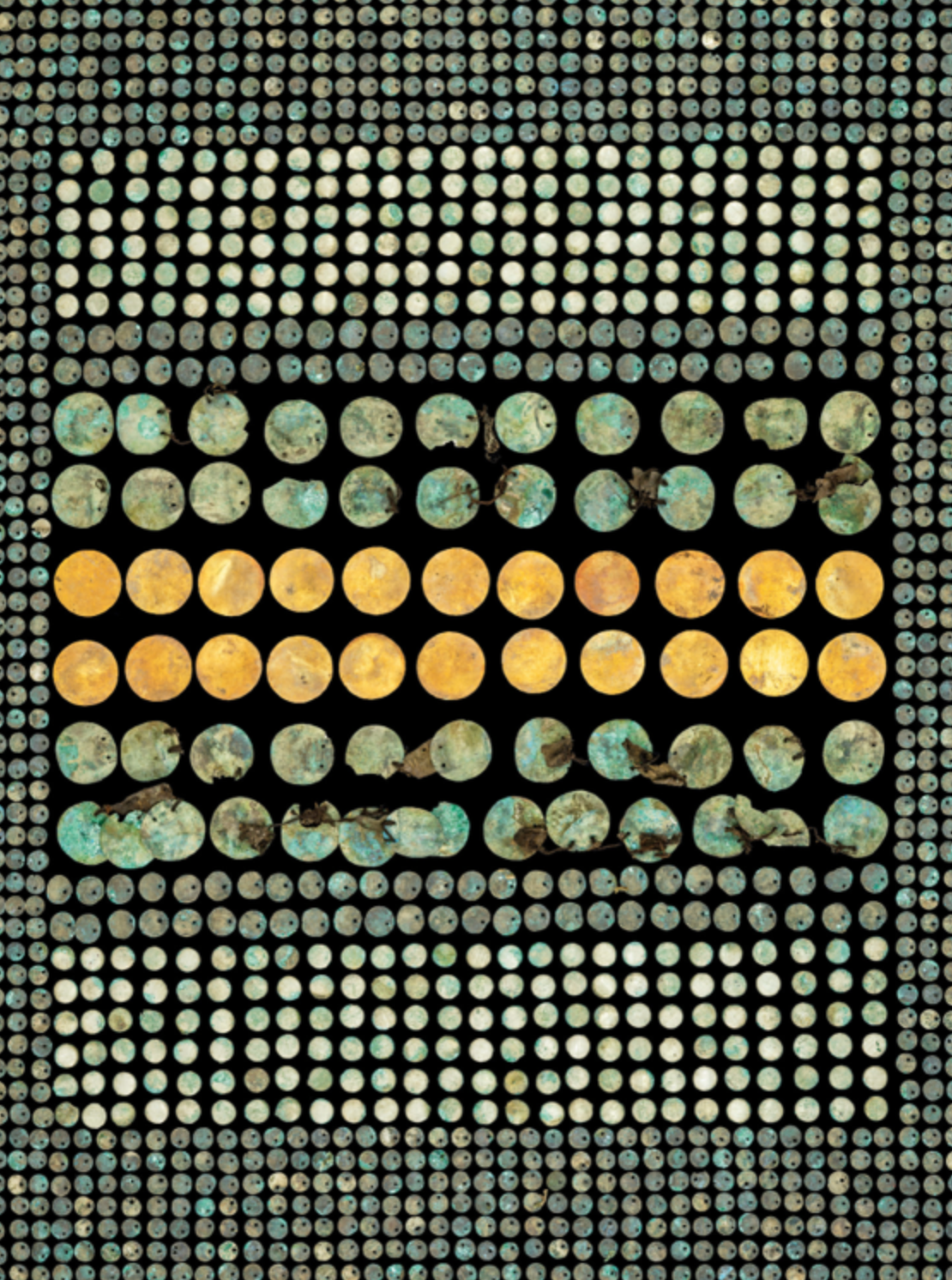
What brought it to global attention was a single astonishing find: nearly 3,000 gold, silver, and copper sequins buried for centuries inside a stone enclosure, identified as decorations from the ceremonial dress of Inca elites. For the archaeologists on site, it was the kind of discovery most never encounter in an entire career.
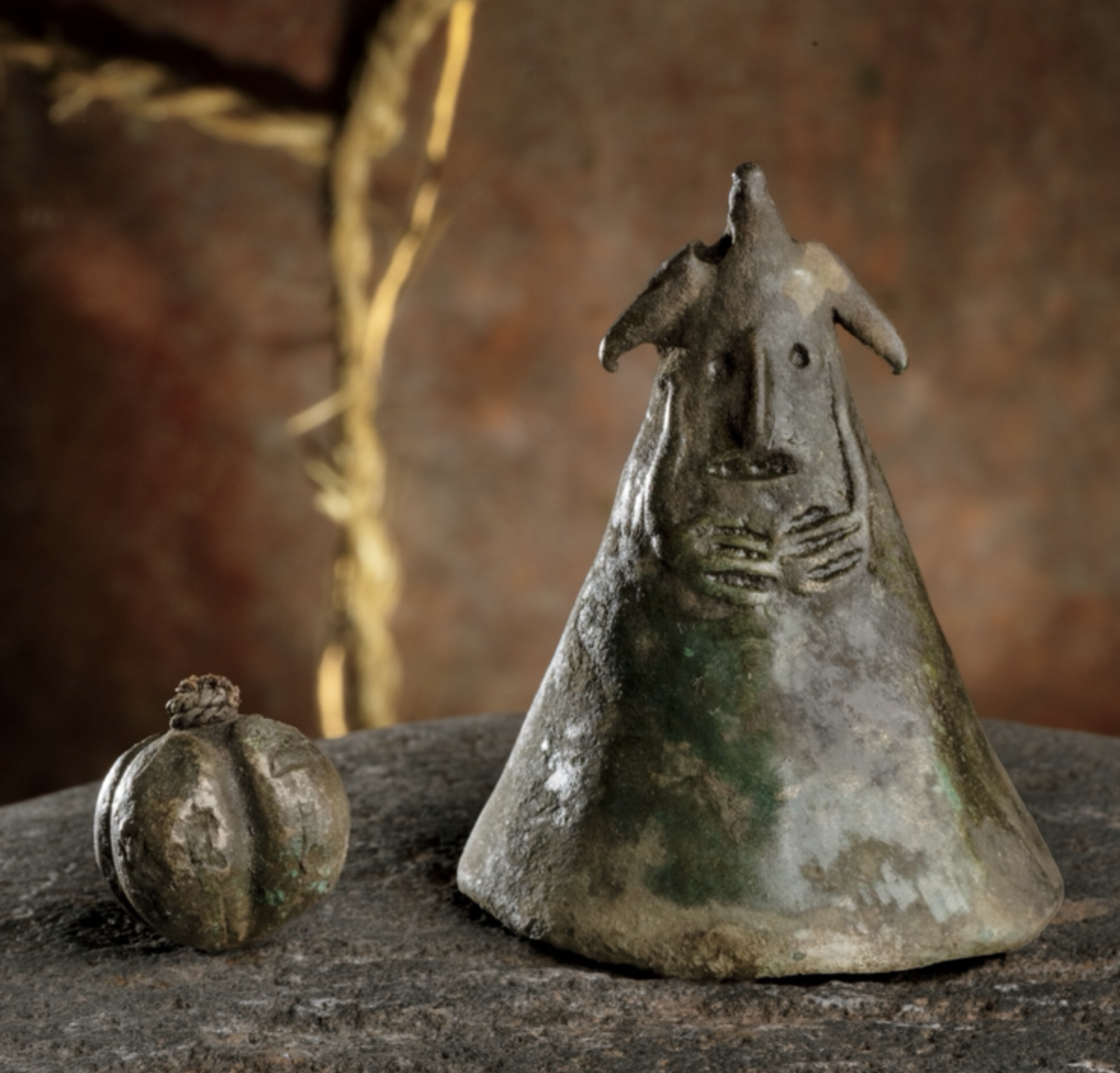
Since then, excavations sponsored by Peru's Ministry of Culture have uncovered close to 600 structures, temples, tombs, and shrines, along with gold nuggets, finely crafted figurines, and weapons suggesting the site witnessed fierce resistance during the Spanish conquest. A grand temple at the site's center appears to have been in use for over 2,000 years, predating the Inca themselves and pointing to a place of deep, continuous spiritual significance across multiple Andean civilizations.
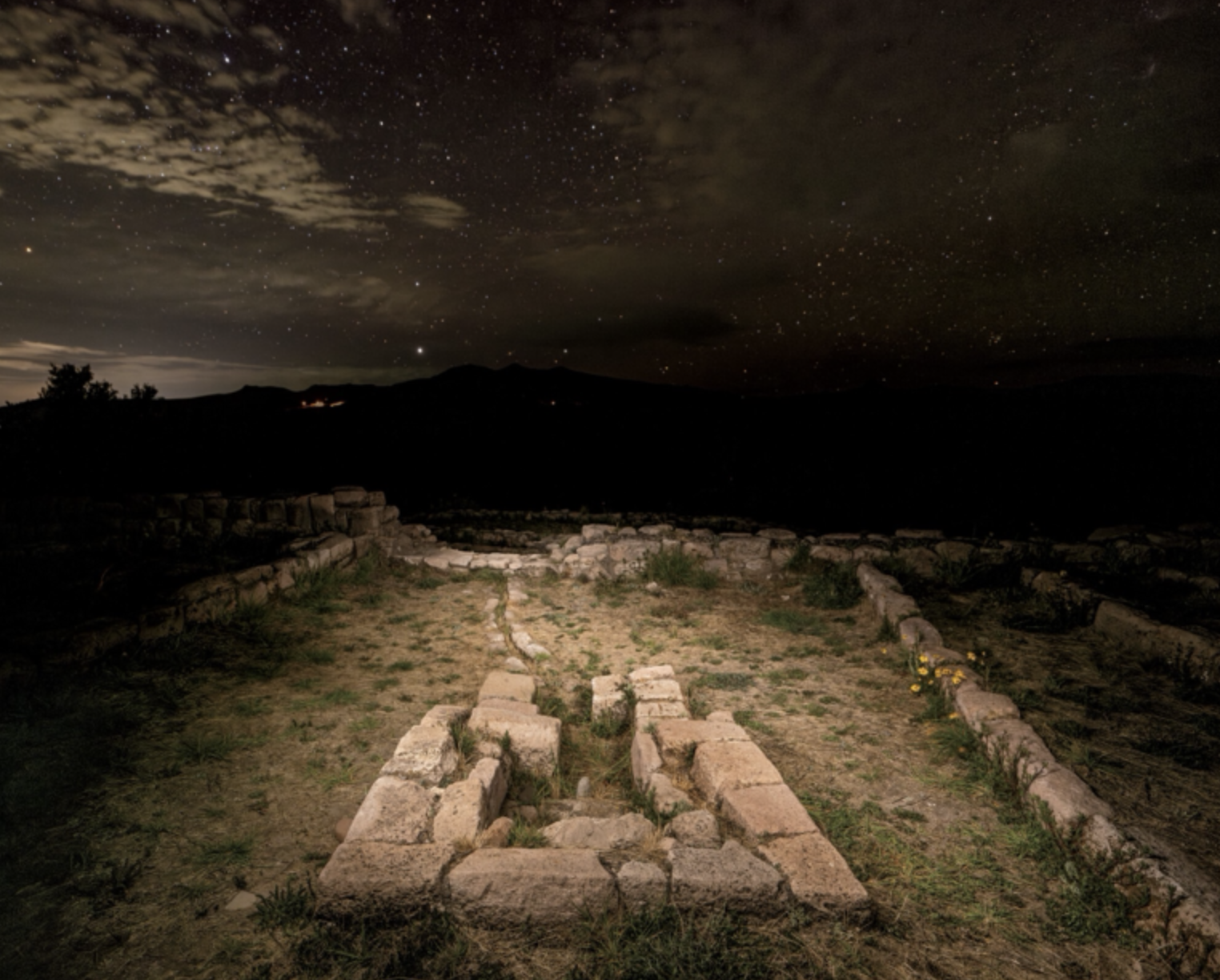
Many scholars now believe T'aqrachullo is Ancocagua, a long lost Inca city and citadel described in colonial-era texts as one of the five most sacred temples in the entire Inca Empire. For centuries the location of this near mythical stronghold remained unknown, its story preserved only in the accounts of Spanish conquistadors. If confirmed, it would be among the most significant archaeological identifications in Peru in generations.
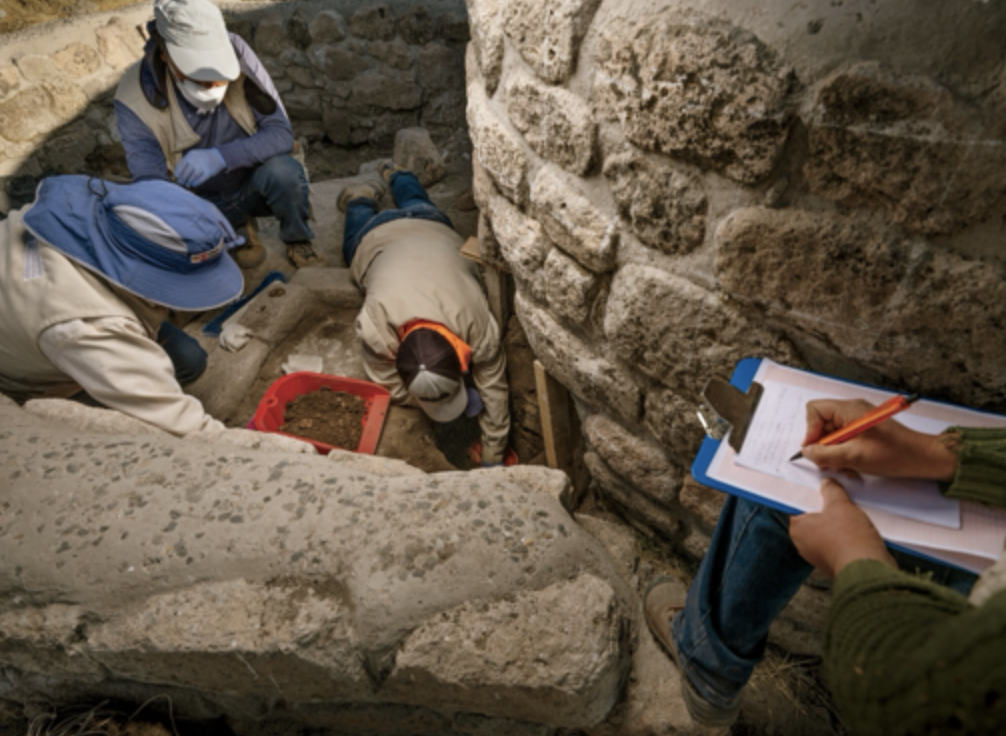
What makes this discovery especially meaningful is who is behind it. Unlike many of the landmark Inca sites uncovered in the 19th and 20th centuries by Western explorers, the excavation at T'aqrachullo has been led entirely by Peruvian researchers. Among them is archaeologist Alicia Quirita, who grew up speaking Quechua near this very region and first surveyed the site as a university student in the early 1990s. For scholars like Quirita, the work is as much about returning history to the people it belongs to as it is about what lies beneath the soil.
And the story is far from over. Archaeologists have examined just over half of T'aqrachullo, with the rest intentionally left untouched for future researchers and new technologies. Peru's Ministry of Culture is now focused on restoring the site and opening it to visitors, making this a rare opportunity to experience a major archaeological discovery while it is still fresh.
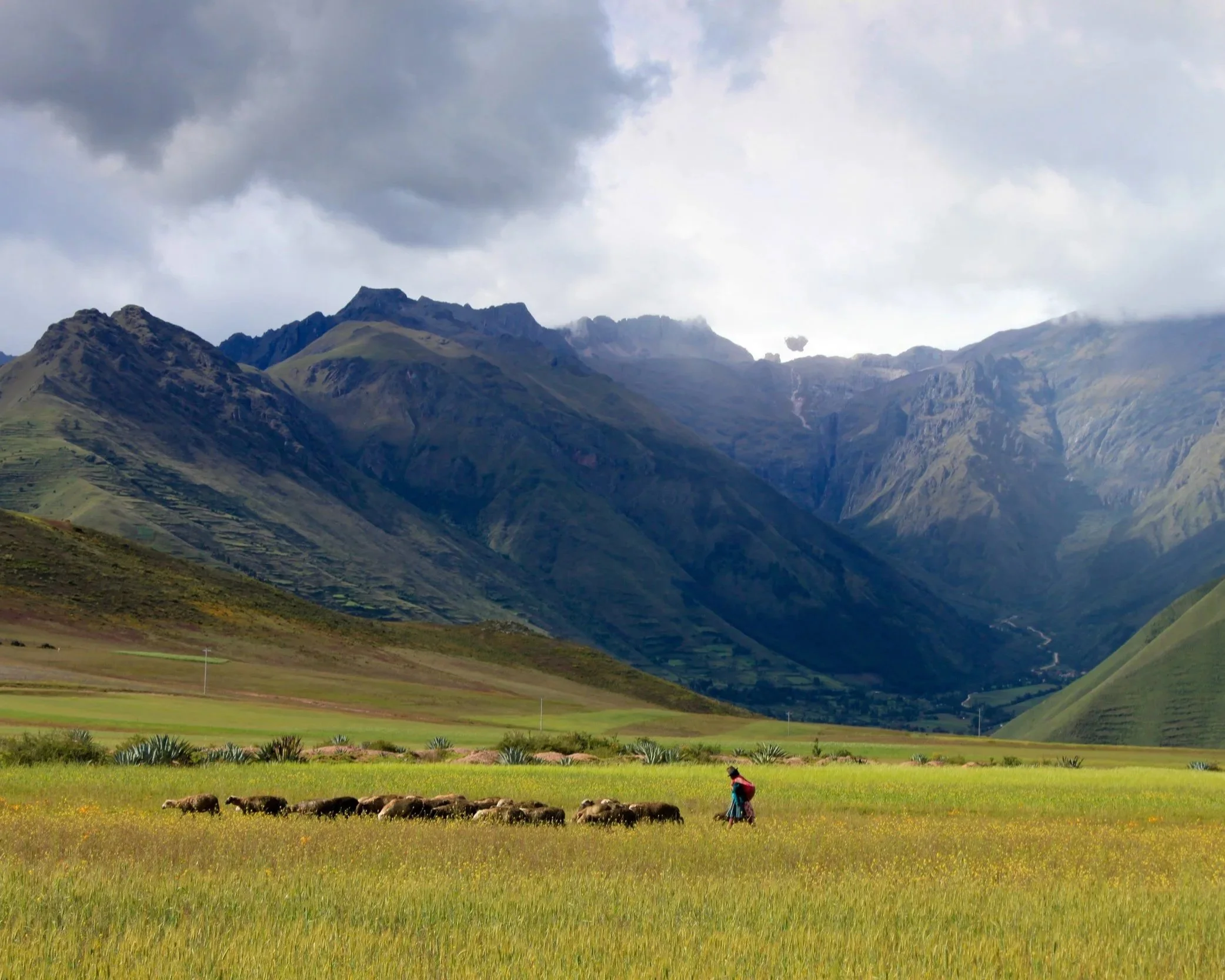
For those who travel to Peru to connect with its living history, discoveries like this are a reminder that the Inca world is still revealing its secrets. The highlands that surround sites like Cusco, the Sacred Valley, and Machu Picchu are layered with meaning, and with stories still being told for the first time. What makes Peru unlike anywhere else is that its ancient past is not frozen behind glass. It lives in the landscape, in the communities, in the language still spoken by millions of Quechua speakers today. Every journey here has the potential to feel like a discovery, because in many ways, it still is.
Written by Gabe Rios
Photo credit: Arturo Rodriguez - National Geographic
Source: Alejandro Munoz - National Geographic