

Blog
40 Years, 35,000 Tortoises, and a Blueprint for Conservation
in Blog Posts
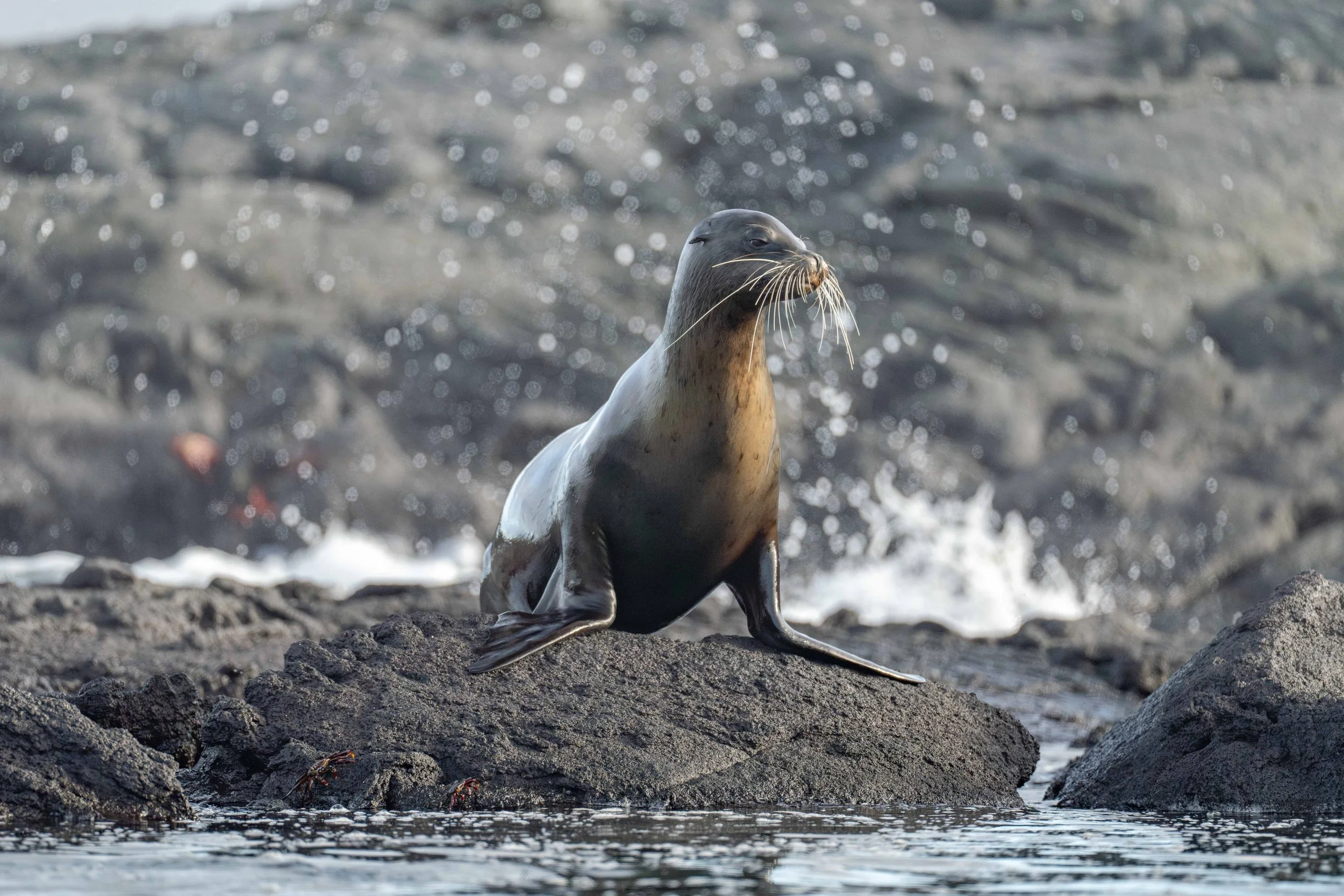
The Galápagos Islands are unlike anywhere else on Earth. Home to hundreds of species found nowhere else, they remain one of the planet's most extraordinary ecosystems. But they are also incredibly fragile. Invasive species, changing ocean conditions, habitat loss, and growing human activity continue to put pressure on the wildlife that makes these islands so remarkable.
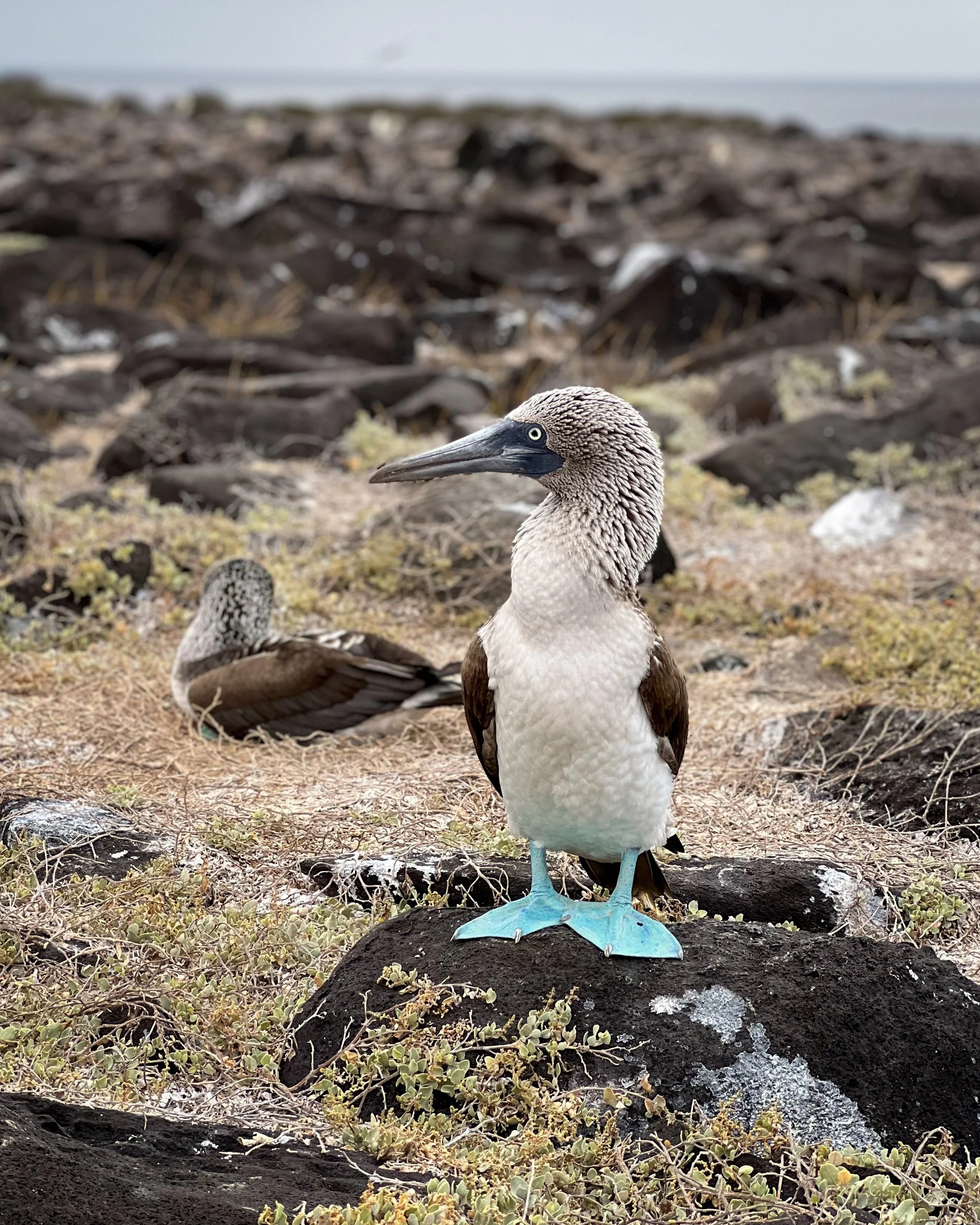
At the center of that response is the Galápagos Conservancy, a nonprofit founded in 1985 with a singular focus: protecting and restoring the Galápagos Islands. They fund and support conservation work throughout the archipelago alongside the Galápagos National Park Directorate, local scientists, island communities, and international research institutions. Their recently released 2025 Impact Report, marking the organization's 40th anniversary, is a frank accounting of where things stand. It documents the wins, the ongoing battles, and the scale of effort it takes to protect one of the world's most ecologically sensitive places. Over 40 years, they have invested more than $50 million across 250 conservation projects. This report tracks what that investment has produced.
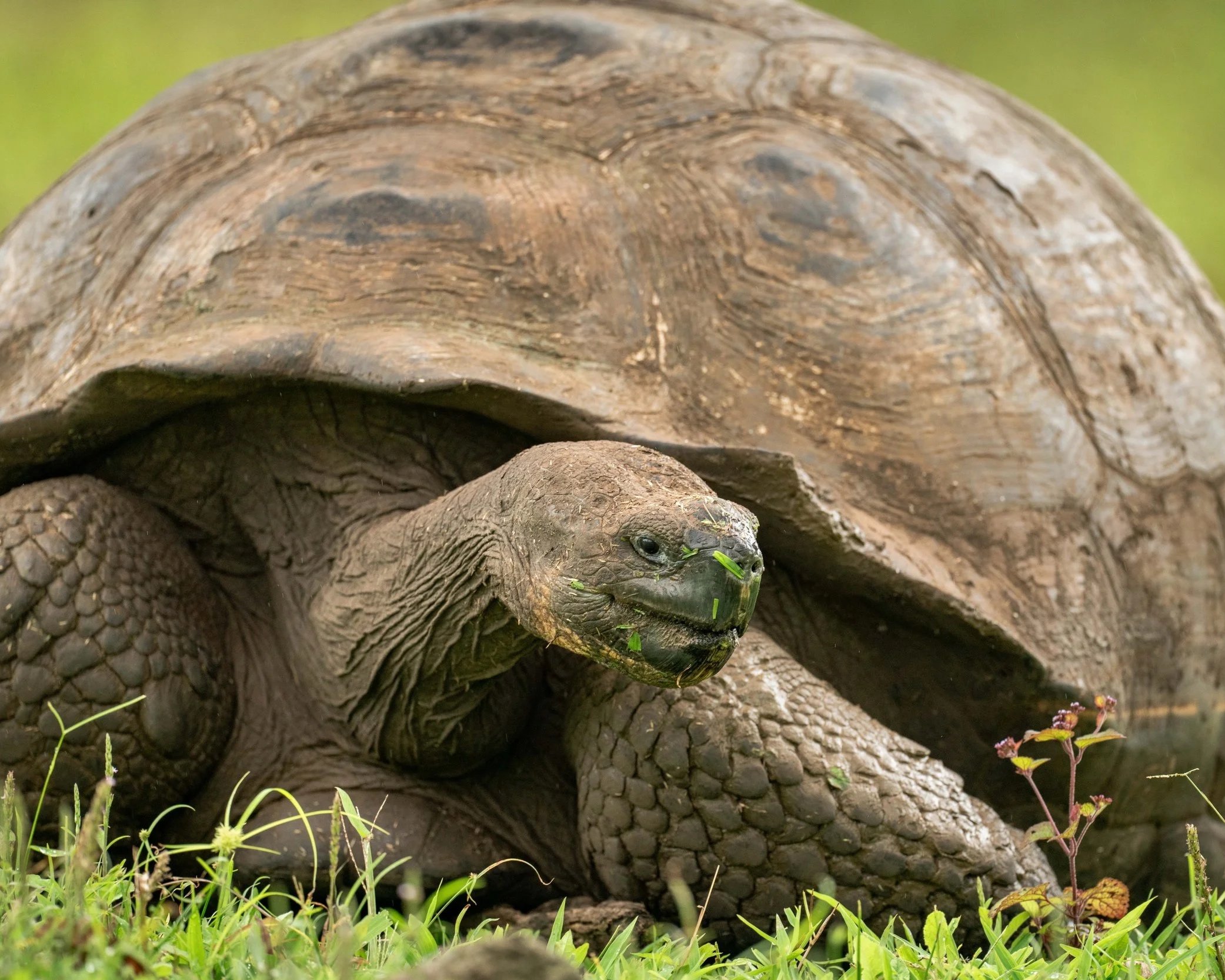
Perhaps the most vital story in the report is the giant tortoise. In the 1970s, populations had fallen to around 8,000 individuals across the archipelago. Today, more than 35,000 are alive, 4 times the historic low. That recovery is the result of a 60-year captive breeding program run in collaboration with the Galápagos National Park Directorate. Three breeding centers on Santa Cruz, Isabela, and San Cristóbal now achieve survival rates above 85%, compared to just 2% in the wild. Over 10,000 tortoises have been released since the program began in 1965.
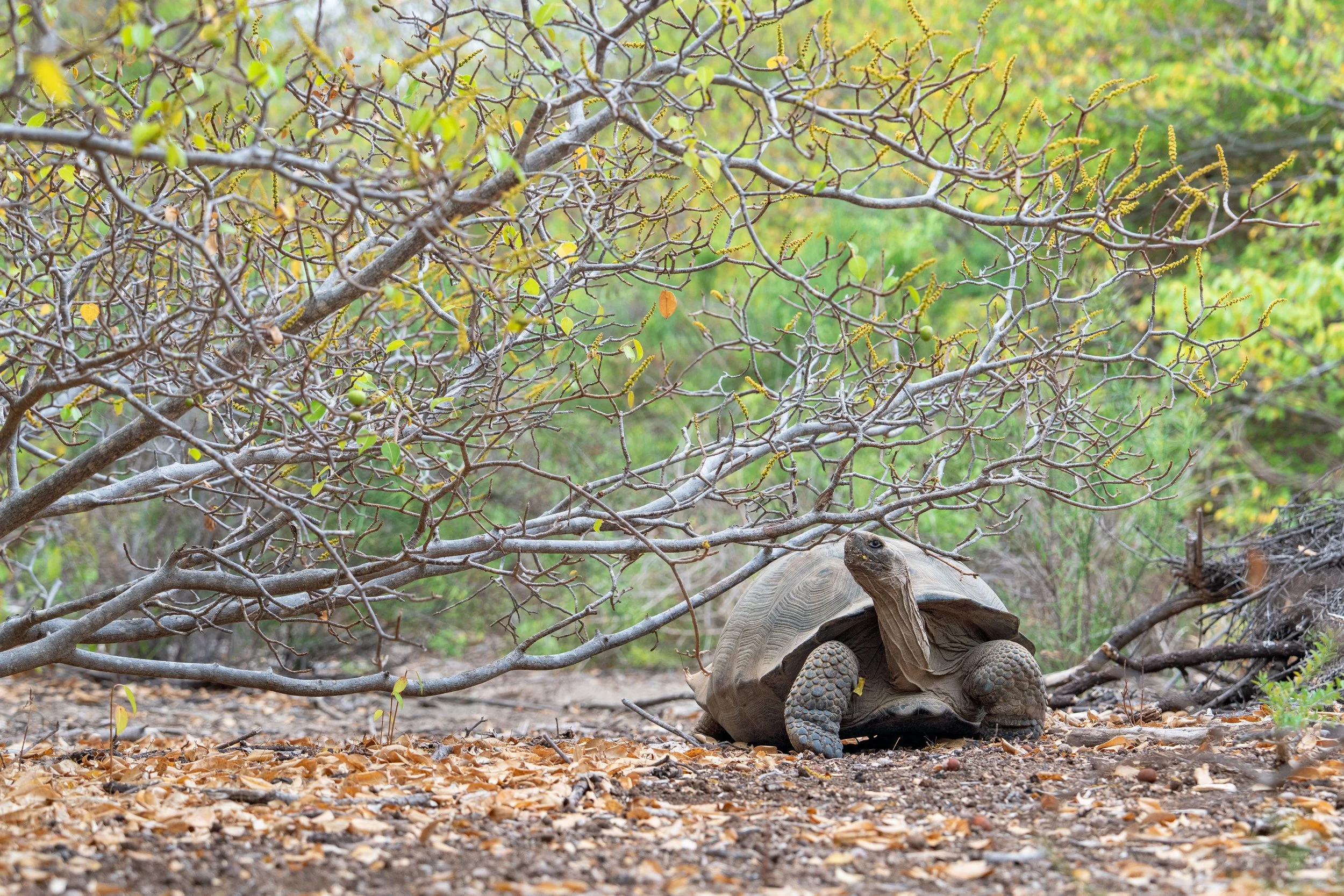
The most recent milestone came in February 2026, when giant tortoises returned to Floreana Island for the first time in over 180 years. The Floreana species was believed extinct until genetic analysis in 2000 identified hybrid descendants on Wolf Volcano. What followed was two decades of breeding, habitat preparation, biosecurity work, and population modeling done in partnership with NASA.
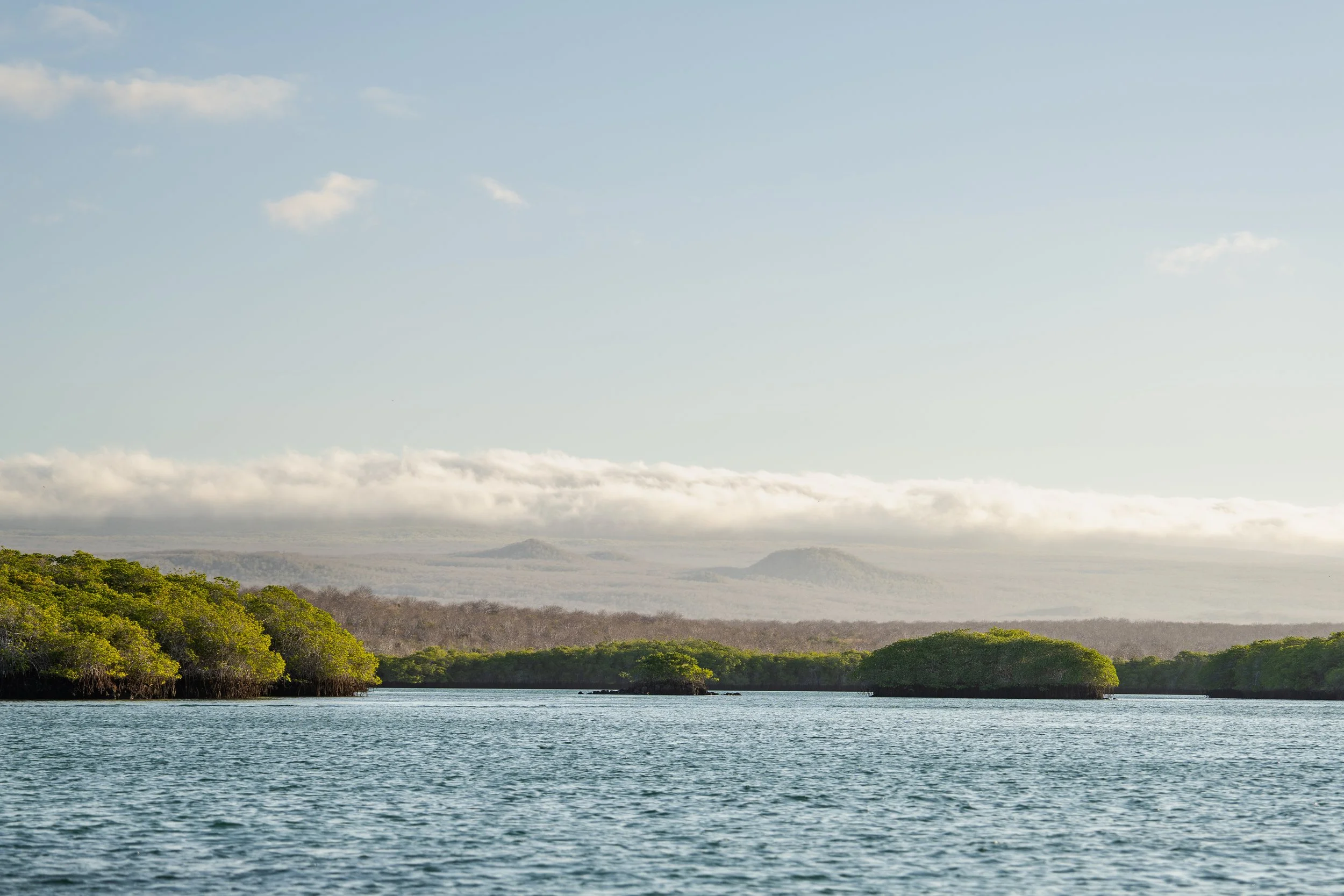
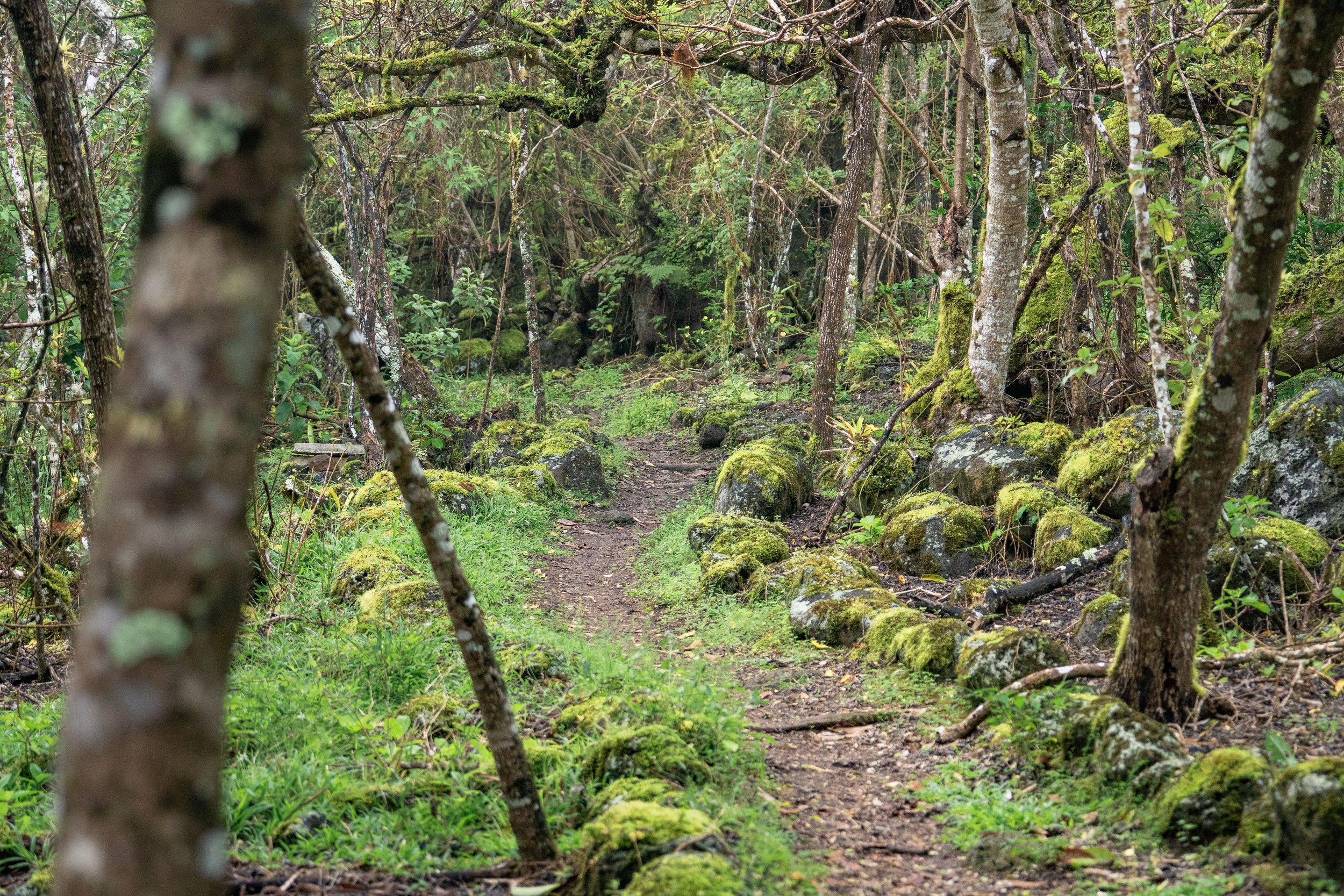
Tortoises are just one piece of a much larger story. The 2025 report documents progress across the archipelago's oceans, coastlines, and highland forests. In the water, marine species are being tracked and coral reefs rebuilt from near zero. On land, critical bird habitats are recovering after years of targeted restoration work. Taken together, the scope of that effort is significant: 250 conservation projects supported, 50 endemic species protected, and 15 habitats restored.
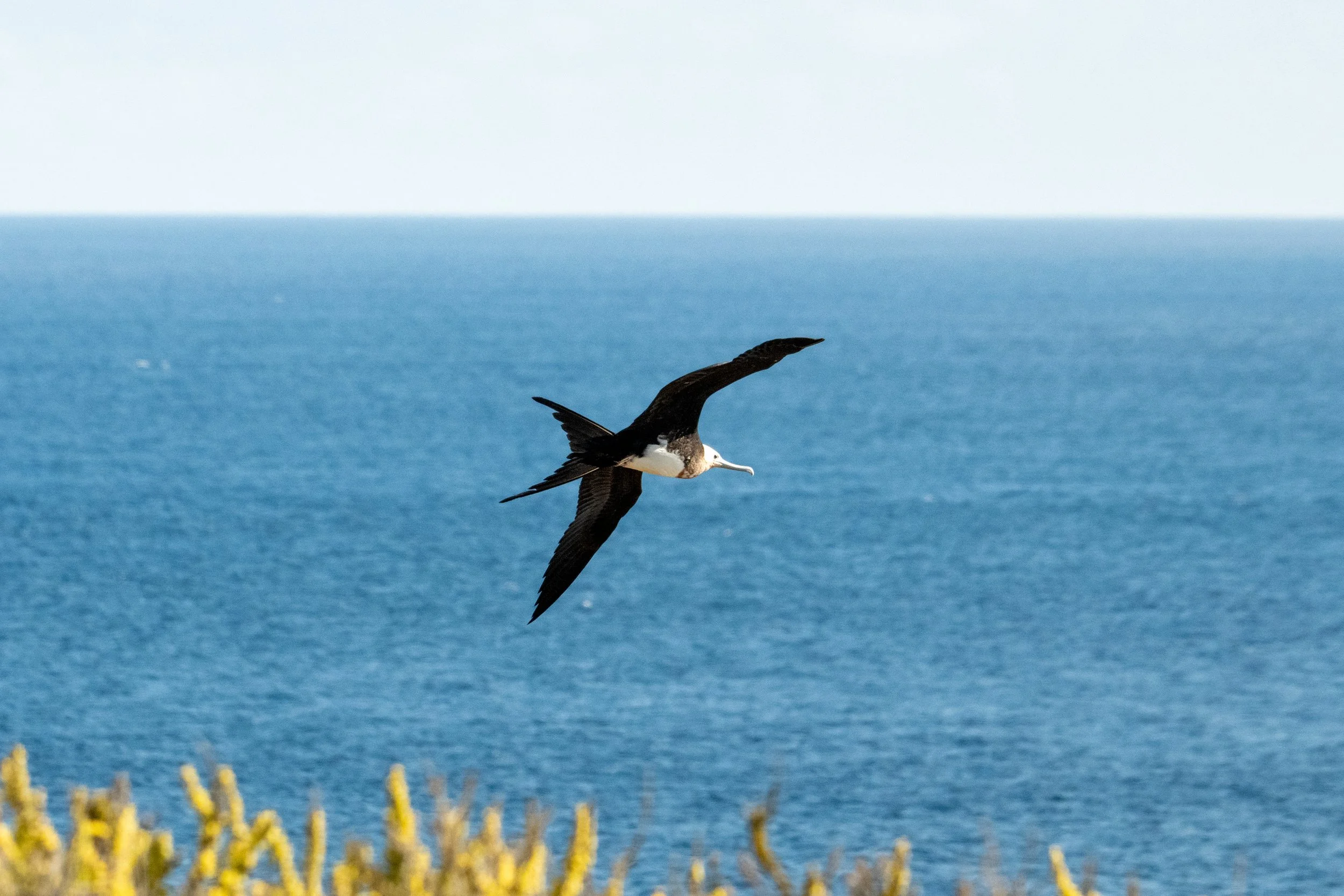
Impact reports like this one serve an important function beyond accountability. They synthesize decades of field data, population surveys, and restoration outcomes into a clear picture of what is working and what still needs attention. The Galápagos Conservancy directs 74% of all funds to conservation programs. The remaining 26% covers management and administration. That transparency matters, especially for an organization operating at this scale.
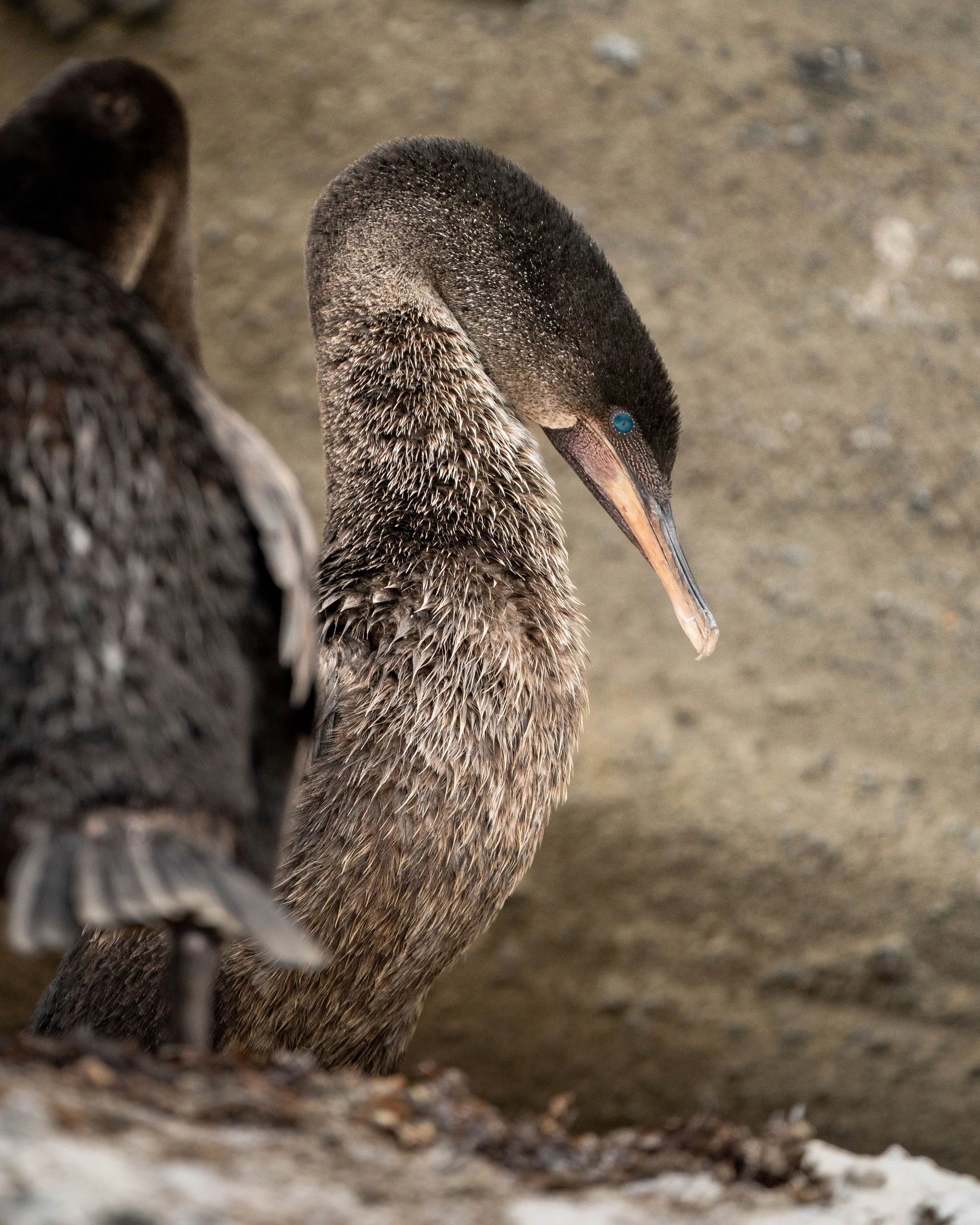
Looking through the report, it's easy to focus on the numbers. But behind every milestone are years of research, restoration, and collaboration. More than a collection of statistics, the report offers a look at the people, partnerships, and long-term commitment behind conservation in the Galápagos, all working toward the shared goal of protecting the islands and the wildlife that call them home.
Click here to explore the full Galápagos Conservancy 2025 Impact Report and learn more about the conservation efforts shaping the future of the islands.
Written by Gabe Rios
Image credit: Martin & Pleun Sikma, Elysee Roberson-Schulz