

Blog
Antarctica Photography Guide: Tips for Capturing Ice and Wildlife
in Blog Posts
There's a reason photographers chase Antarctica the way climbers chase Everest. It's one of the last continents where the light, the ice, and the wildlife still feel untouched by anything human, and that combination makes it one of the most rewarding (and most humbling) places on Earth to photograph. Whether you're traveling with a mirrorless kit, a weatherproof camera body, or just using your phone camera, a little preparation goes a long way toward coming home with images that actually capture what it felt like to be there.
Pack for Cold Hands
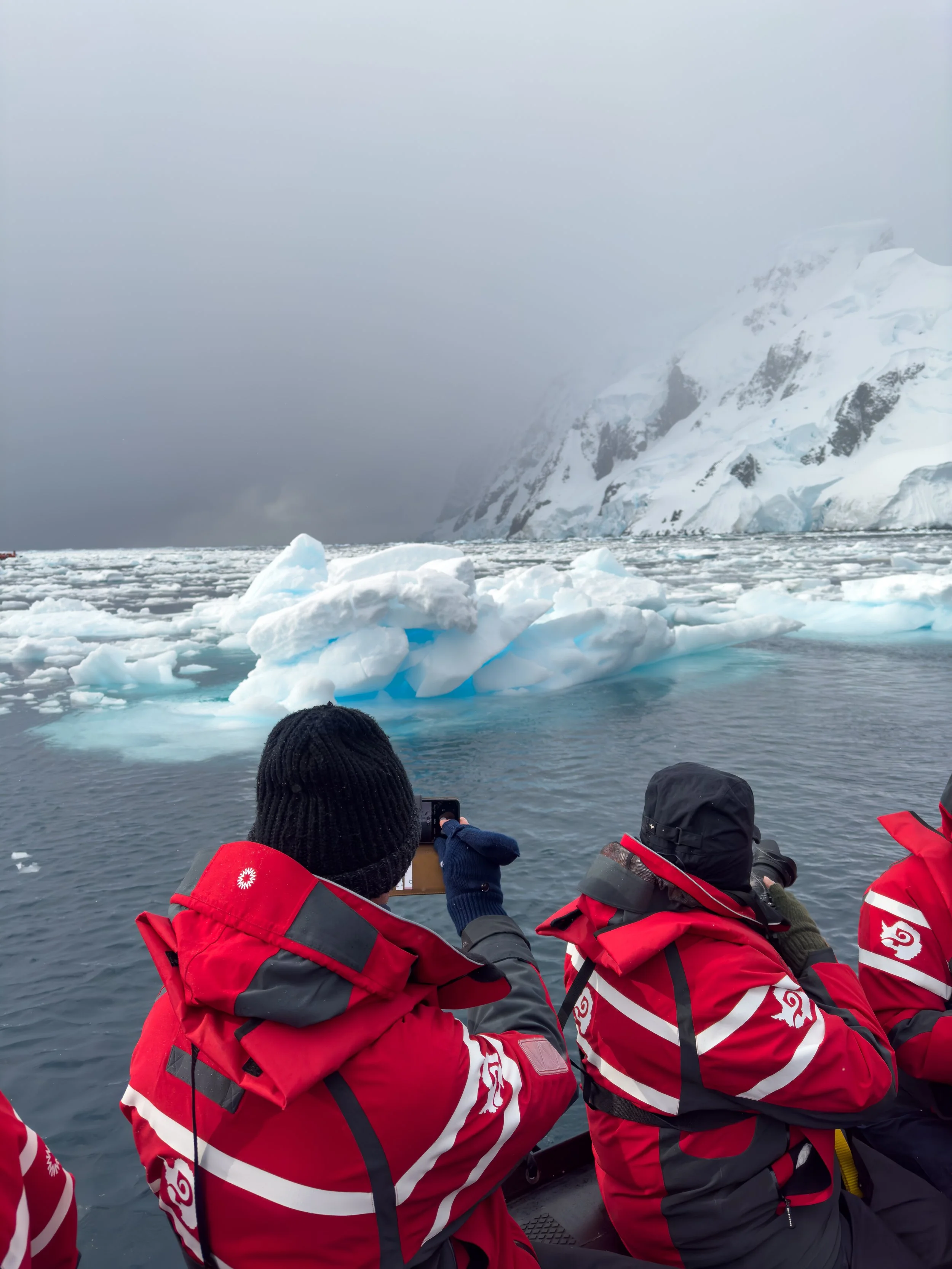
Most modern cameras handle sub-zero temperatures better than people expect. The real challenge in Antarctica isn't usually your gear, it's you. Fingers stop working long before shutter buttons do, so gloves matter more than people think.
Pack a thin pair of liner gloves you can comfortably shoot in, along with a heavier mitten shell you can pull on between shots to warm your hands back up. This combination lets you stay out shooting longer without sacrificing the dexterity you need to change settings or hit the shutter at the right moment.
Watch Your Battery Life
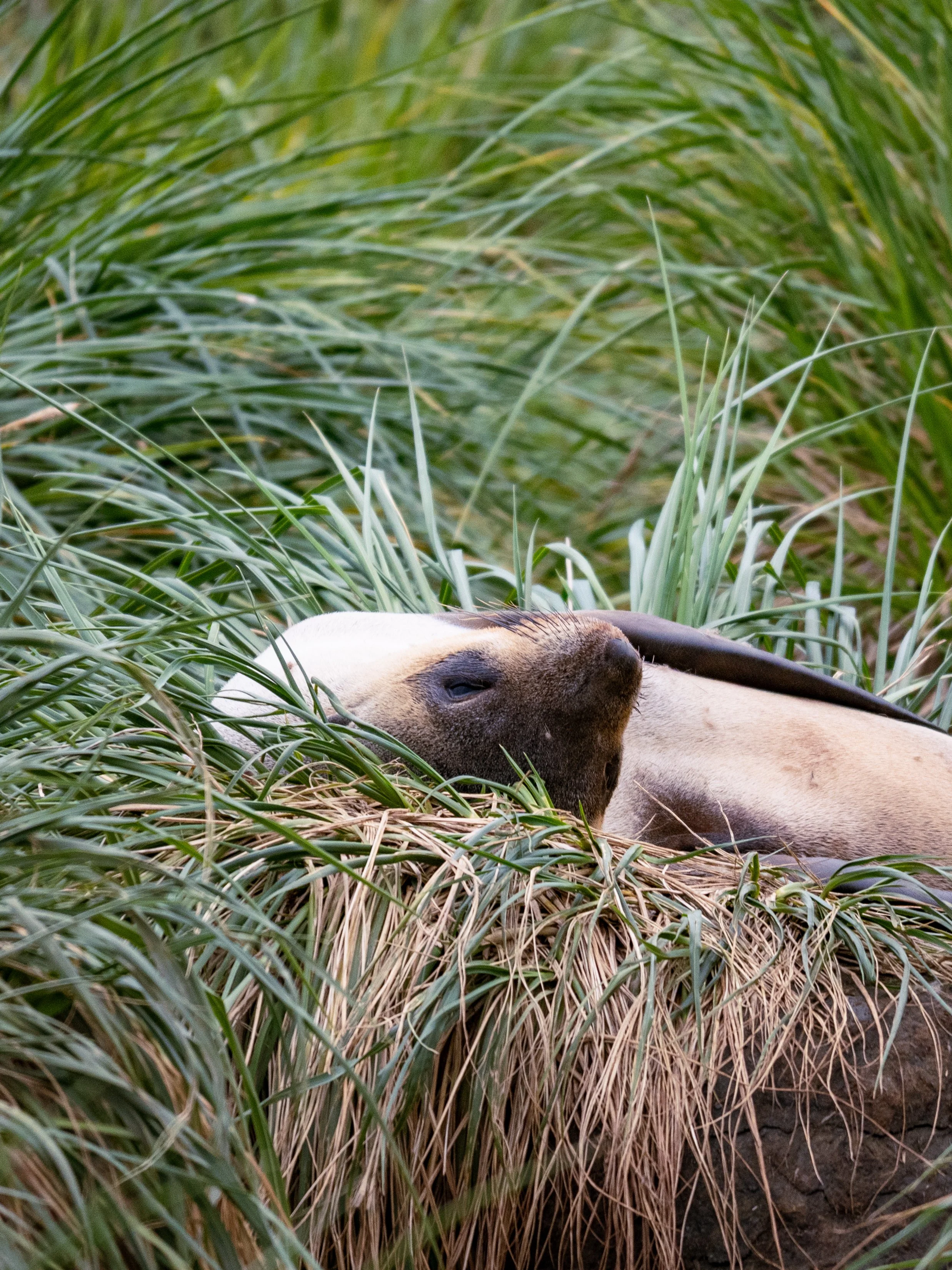
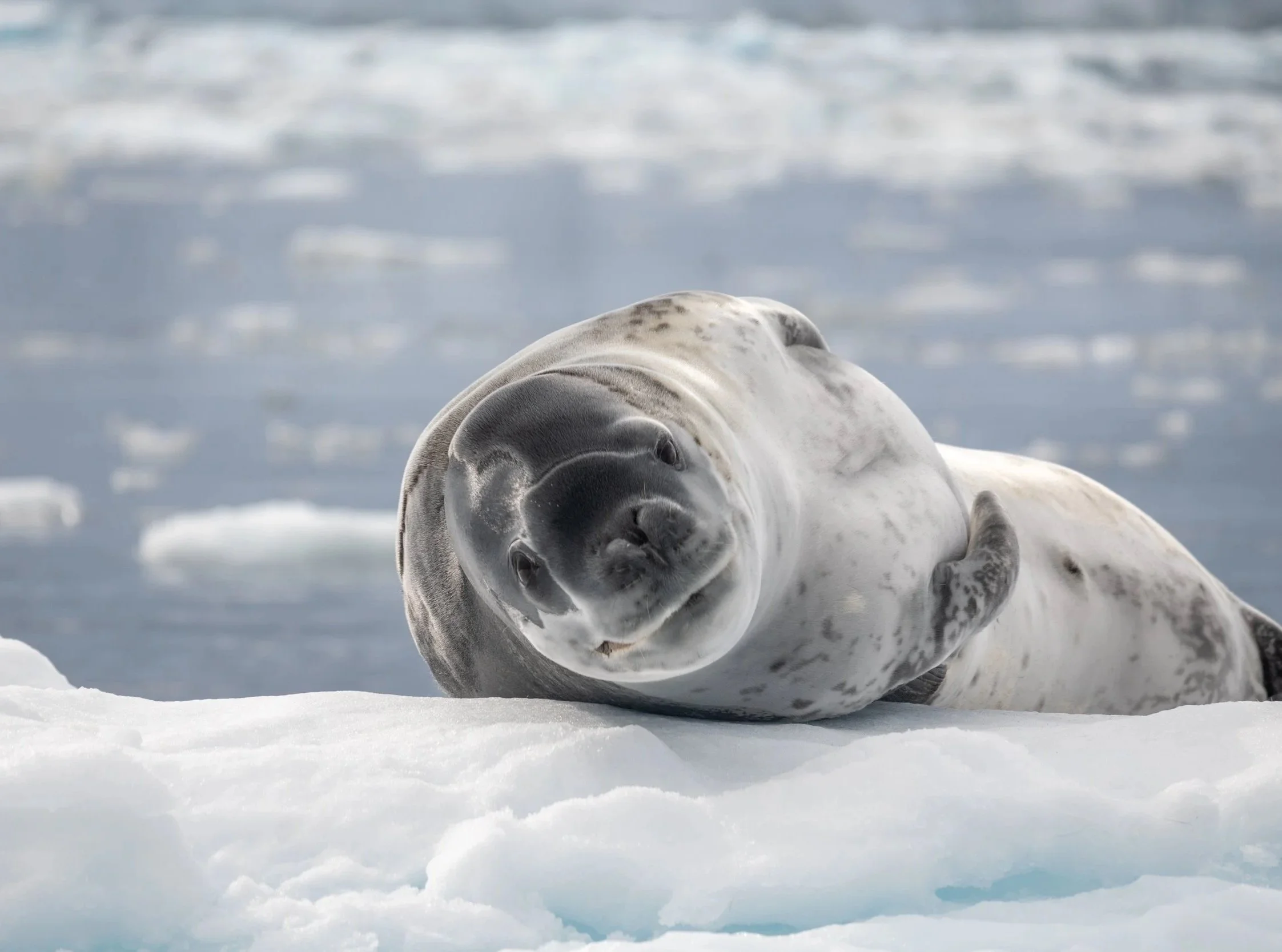
Battery life drops quickly in the cold, and this applies to phones just as much as cameras, sometimes more. Keep whatever you're shooting with in an interior jacket pocket where your body heat can help keep it warm, and carry a spare camera battery or a portable charger for your phone. Swap batteries or top off your charge proactively rather than waiting for a low battery warning right as a leopard seal surfaces.
Temperature swings are worth planning for on the way back in, too. When you head back inside a warm ship cabin, condensation will form on and inside your gear if it comes in cold. Seal your camera or phone in a dry bag or pocket before heading indoors, and let it warm up gradually before using it again.
Expose for the Ice, Not the Meter
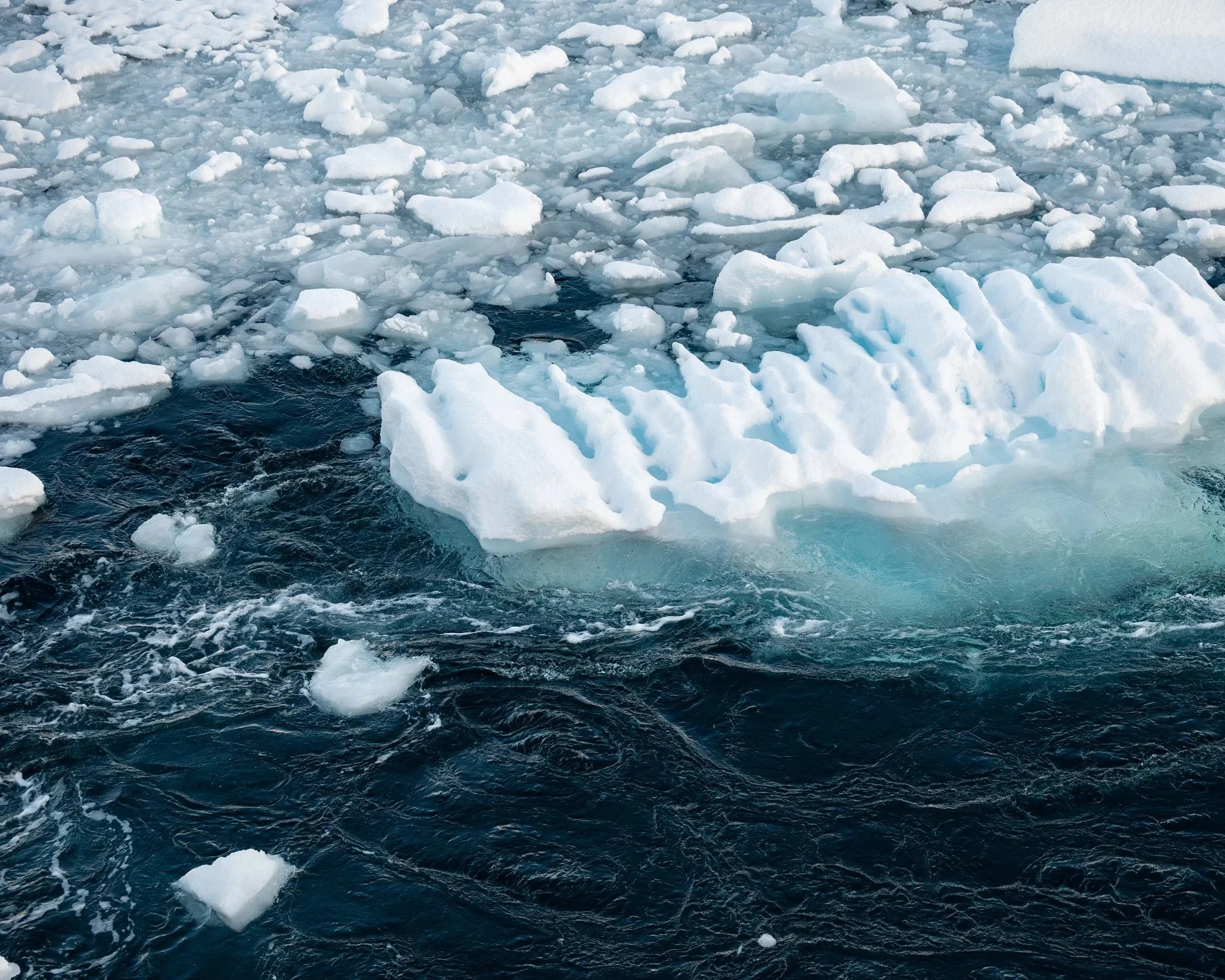
Antarctica will trick your light meter constantly. Snow and ice are so reflective that cameras default to underexposing the scene, turning brilliant white glaciers a dull gray. On a dedicated camera, dial in positive exposure compensation, typically +1 to +1.5 stops, as a starting point, and check your histogram rather than trusting the LCD preview alone, since screens are hard to judge accurately in bright polar light.
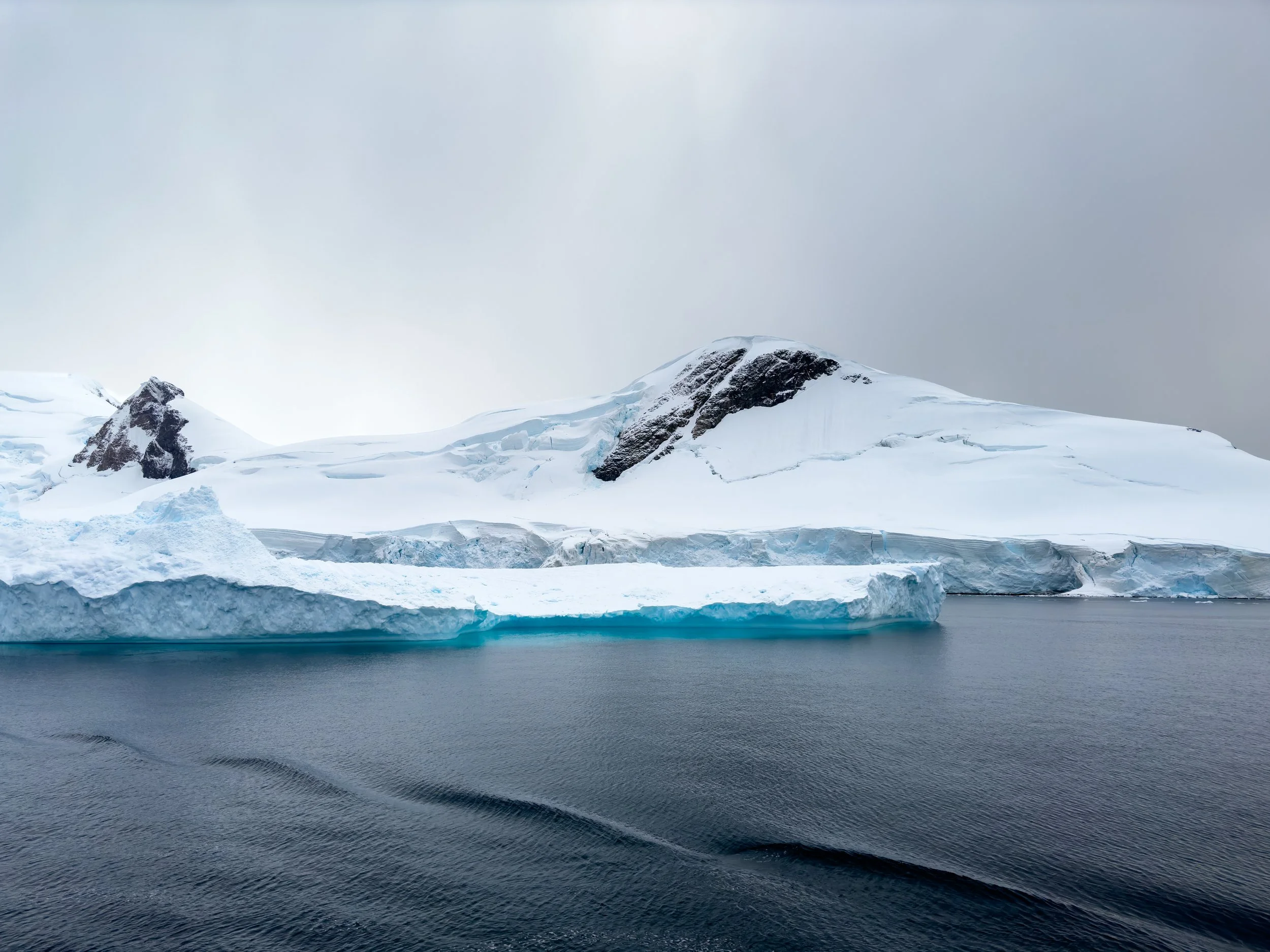
Phones run into the same problem. You can correct for it by tapping on the brightest part of the ice or snow to set focus and exposure there, then swiping up or down on the little sun icon that appears until the scene brightens back to something closer to what your eyes are actually seeing.
Overcast days are actually a gift here. Flat, diffused light softens the blues and shadows in ice formations and prevents the blown highlights that harsh midday sun creates on snowfields.
Slow Down for Wildlife
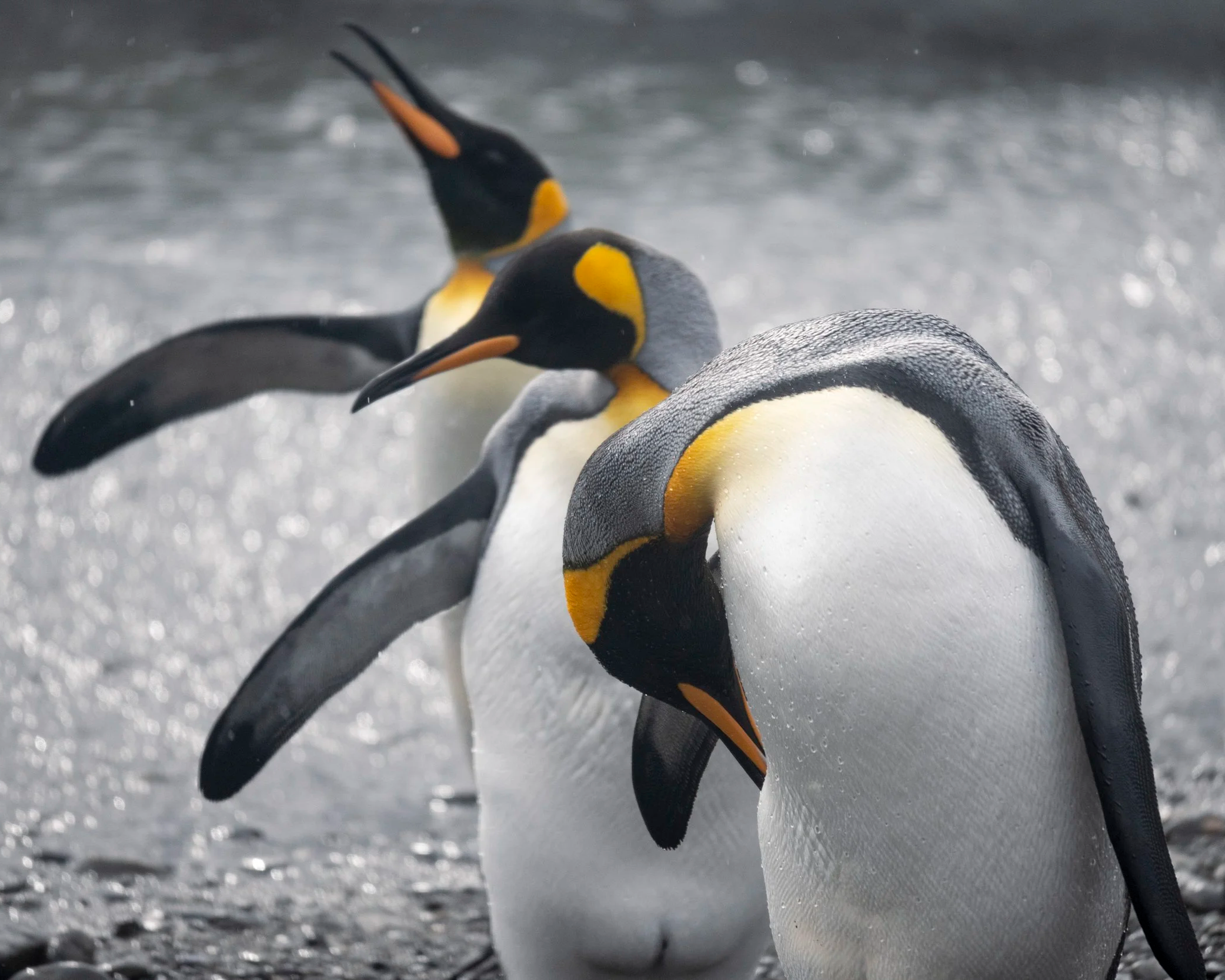
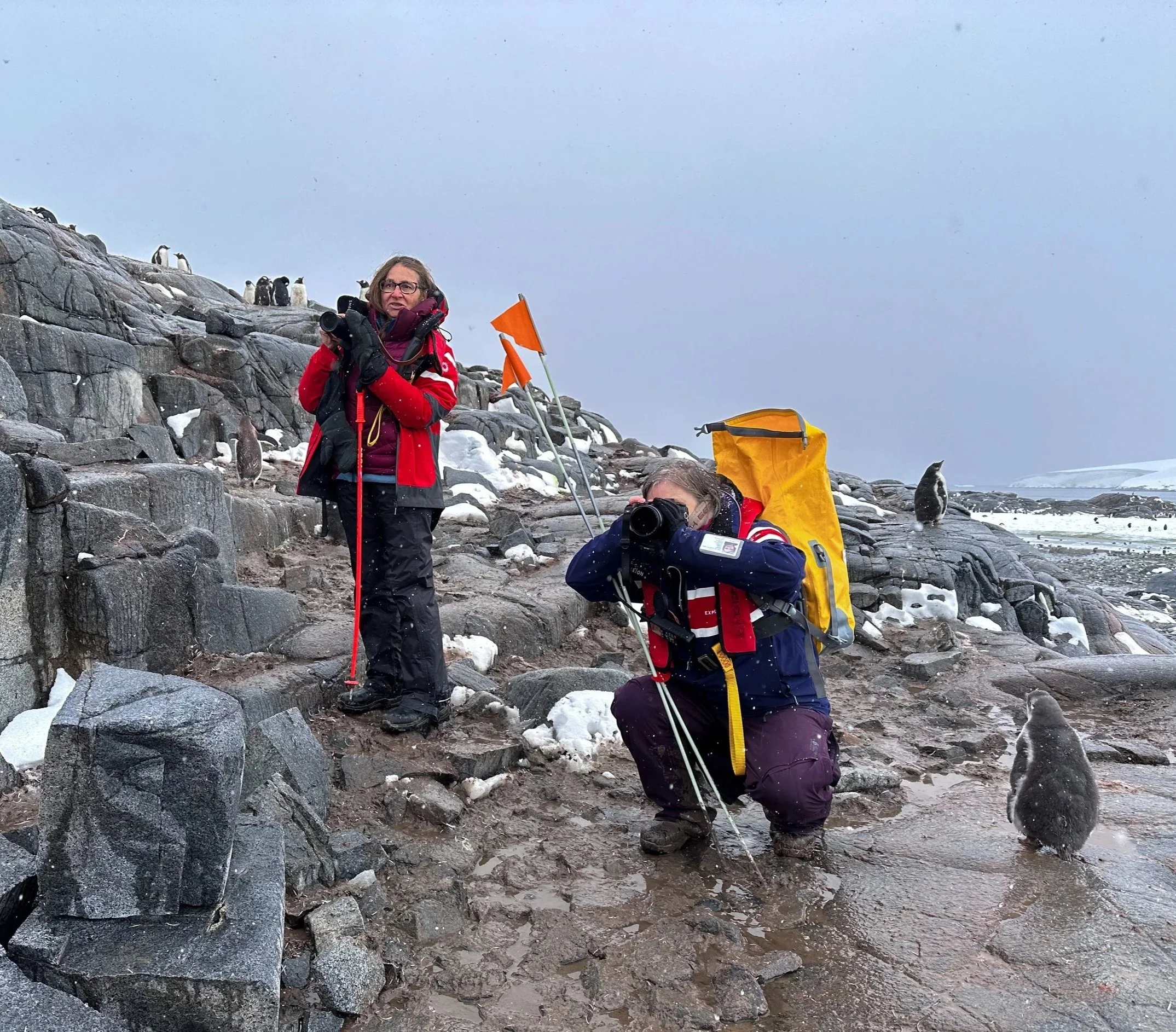
Penguins, seals, and seabirds in Antarctica have had little reason to fear humans, which means you'll often find yourself remarkably close to your subjects, a rare privilege that comes with real responsibility. Nearly every expedition operator in Antarctica follows guidelines set by IAATO, the International Association of Antarctica Tour Operators, which governs how close you can get to wildlife and how groups move through landing sites to keep the impact on the ecosystem as light as possible.
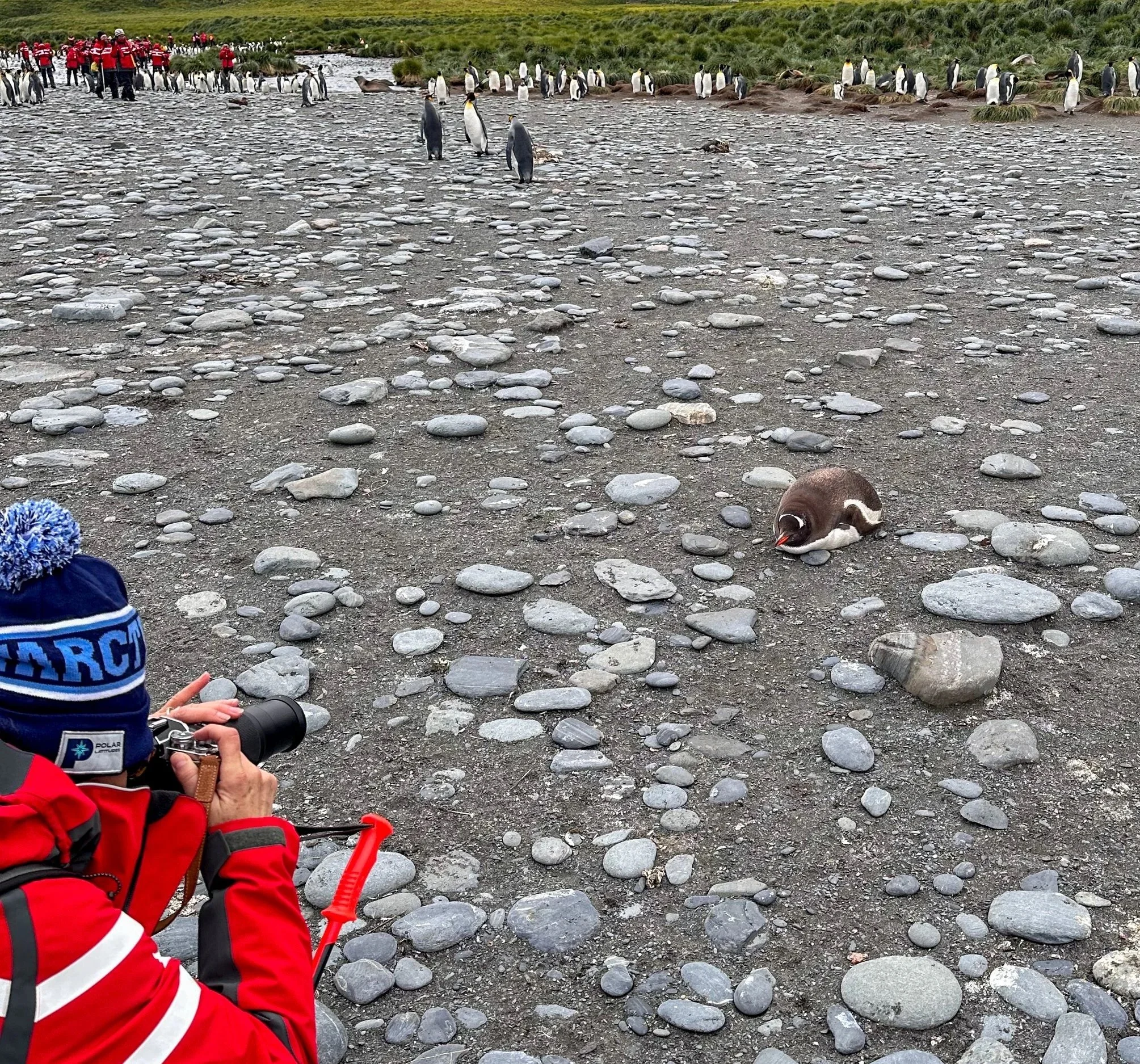
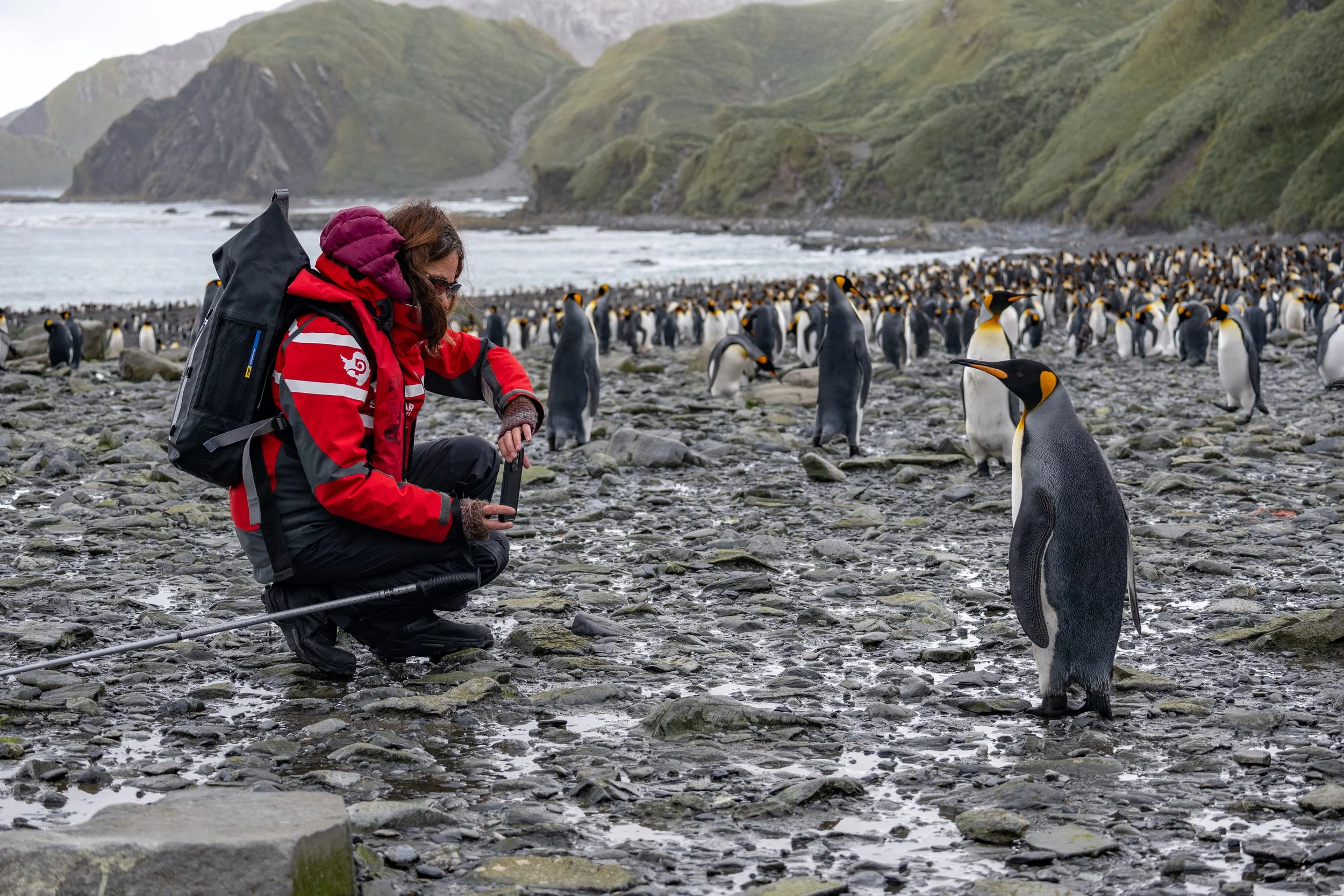
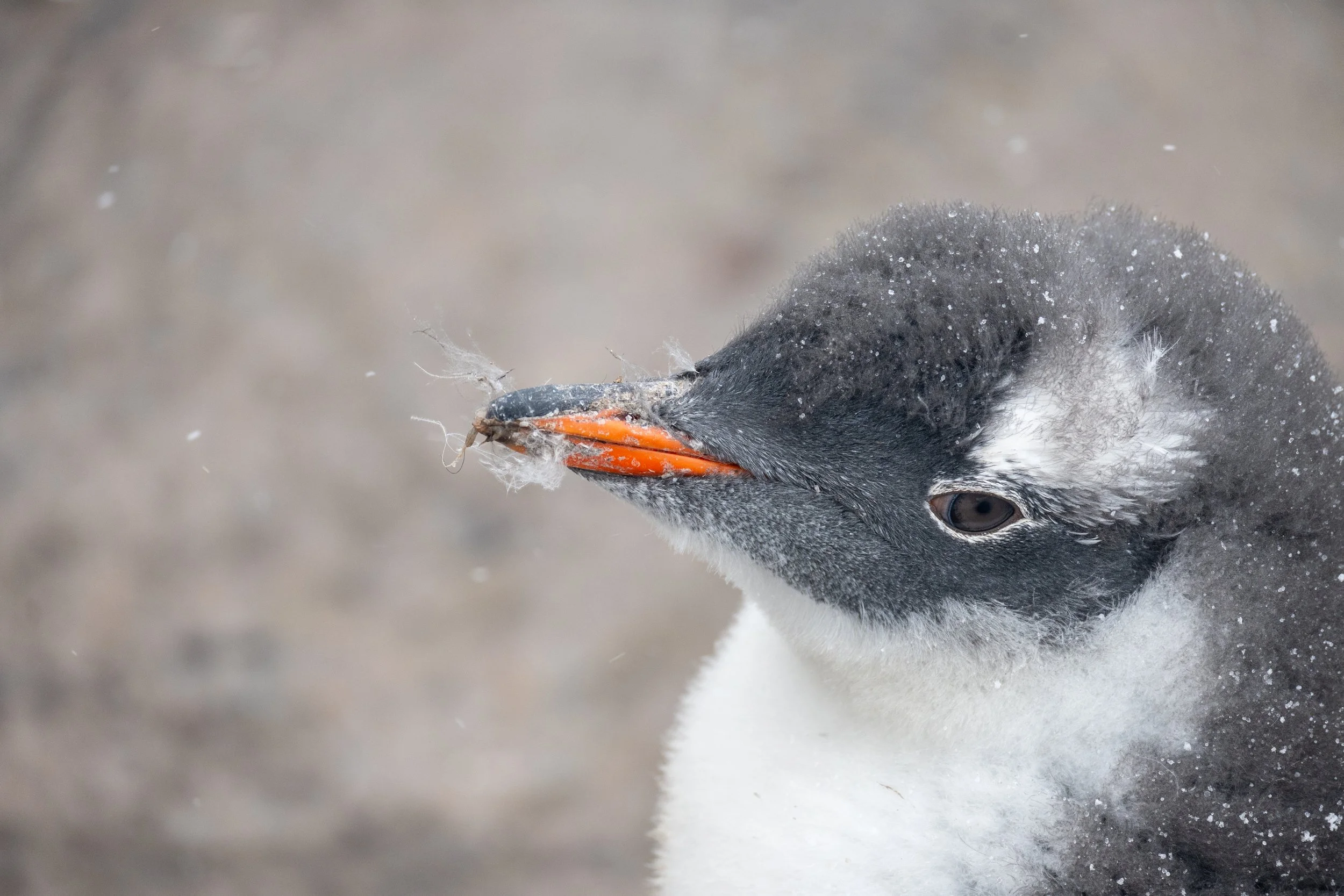
Keep your distance, move slowly, and let curious wildlife approach you rather than the other way around. Some of the best wildlife images come from simply sitting still and letting a colony or group go about its business as if you're not there.
A telephoto in the 100–400mm range covers most wildlife scenarios without requiring you to close distance. Shooting on a phone, resist the urge to lean on digital zoom, which loses detail fast. You'll generally get a sharper, more usable image by shooting a little wider and cropping in afterward, or by using your phone's optical zoom lens if it has one rather than pinching past it.
Composition in a Land Without Reference Points
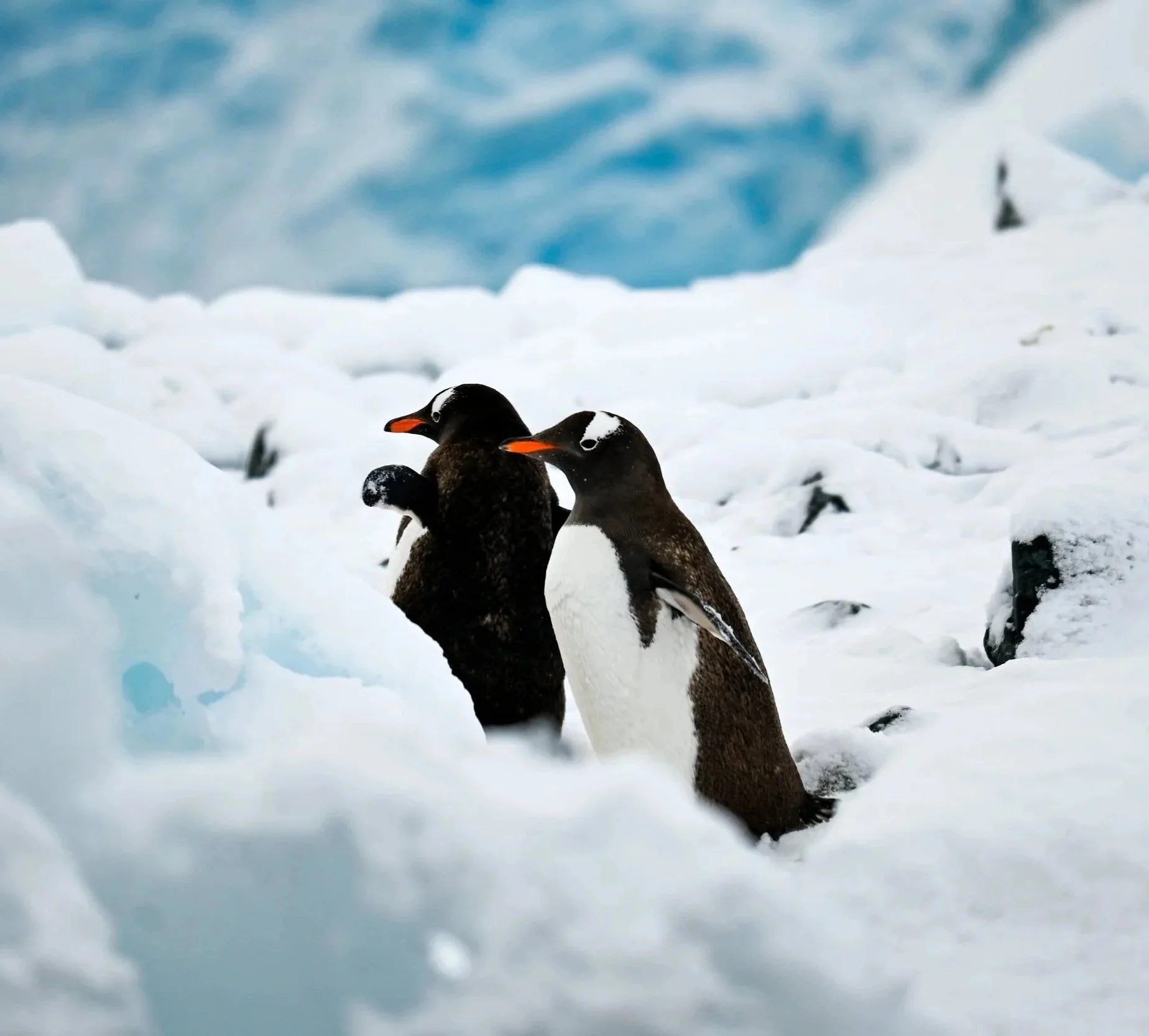
One of Antarctica's quiet challenges is scale. With no trees, buildings, or roads for comparison, a massive iceberg and a small one can look identical in a photo. Include something for scale whenever you can, a zodiac, a paddling penguin, a fellow traveler in a red parka, to help the image communicate the size of what you're actually looking at.
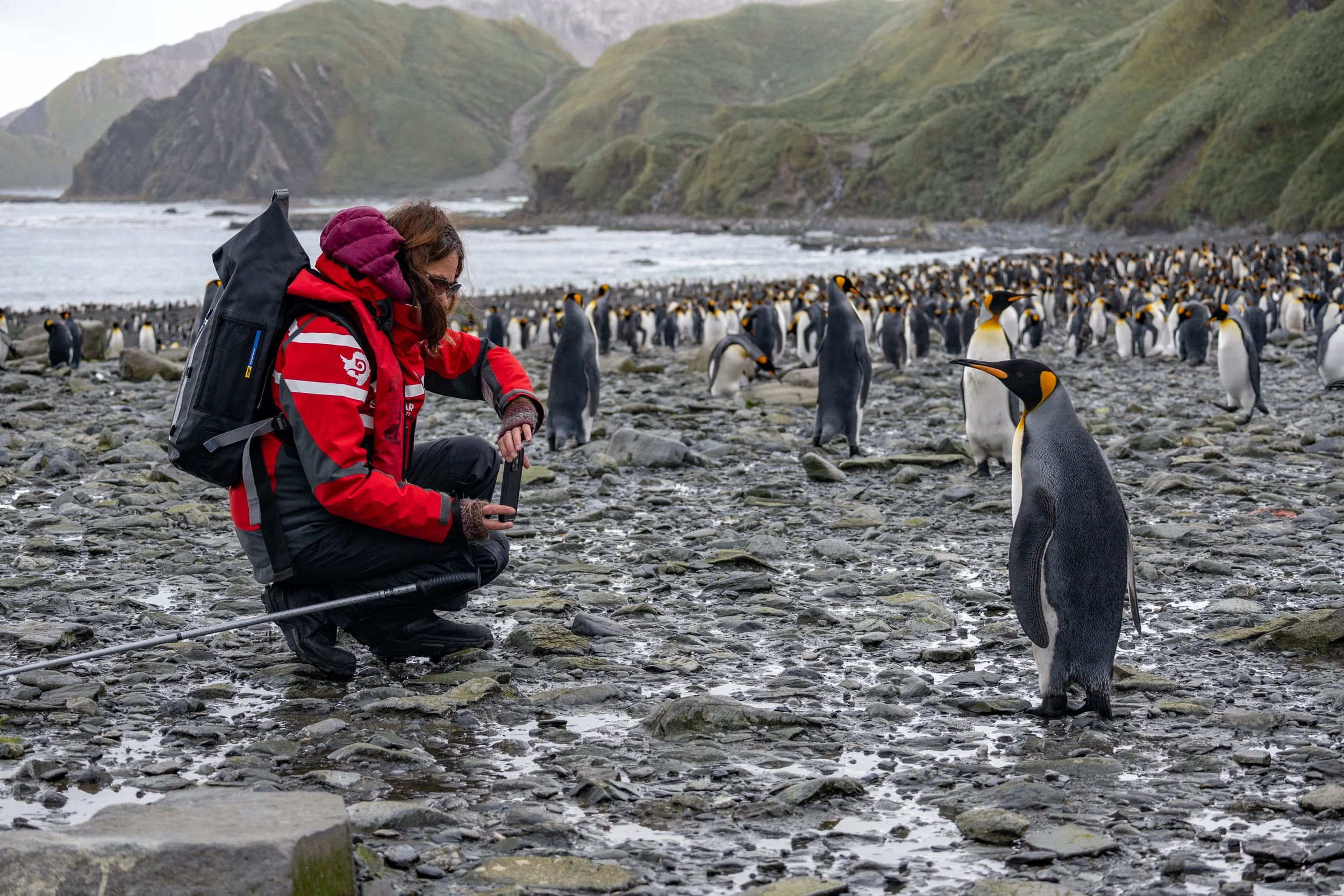
Angle makes a bigger difference than most people expect, too. For penguins, getting down low, crouching or even lying flat, puts you at eye level and gives the shot a sense of presence you just don't get shooting down from standing height. For seals hauled out on ice, a slightly elevated angle from a safe distance tends to read better, capturing the scale of the ice around them. And for birds in flight, tracking them against open sky rather than a busy horizon keeps the composition clean.
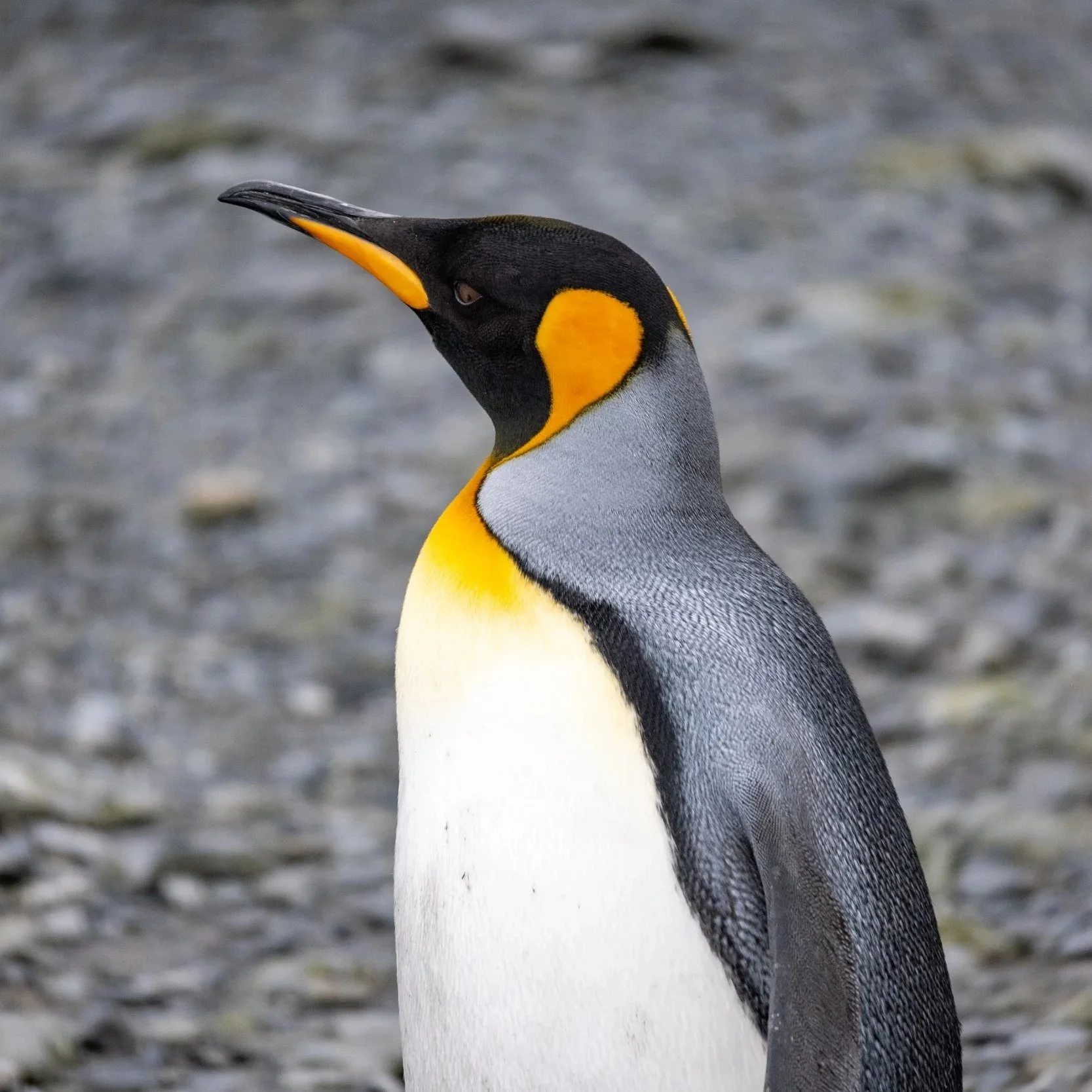
Look for graphic simplicity too. Antarctica rewards minimalist compositions: a single iceberg against open water, a lone emperor penguin on an endless white field, the clean geometric lines where ice meets sky. Resist the urge to fit everything into frame; often the most striking images come from isolating one subject against a vast, empty backdrop. Turning on the gridlines in your camera settings, a feature every phone and most cameras have built in, makes it much easier to line up the horizon and place your subject off-center rather than dead-center, a small habit that instantly makes a photo look more intentional.
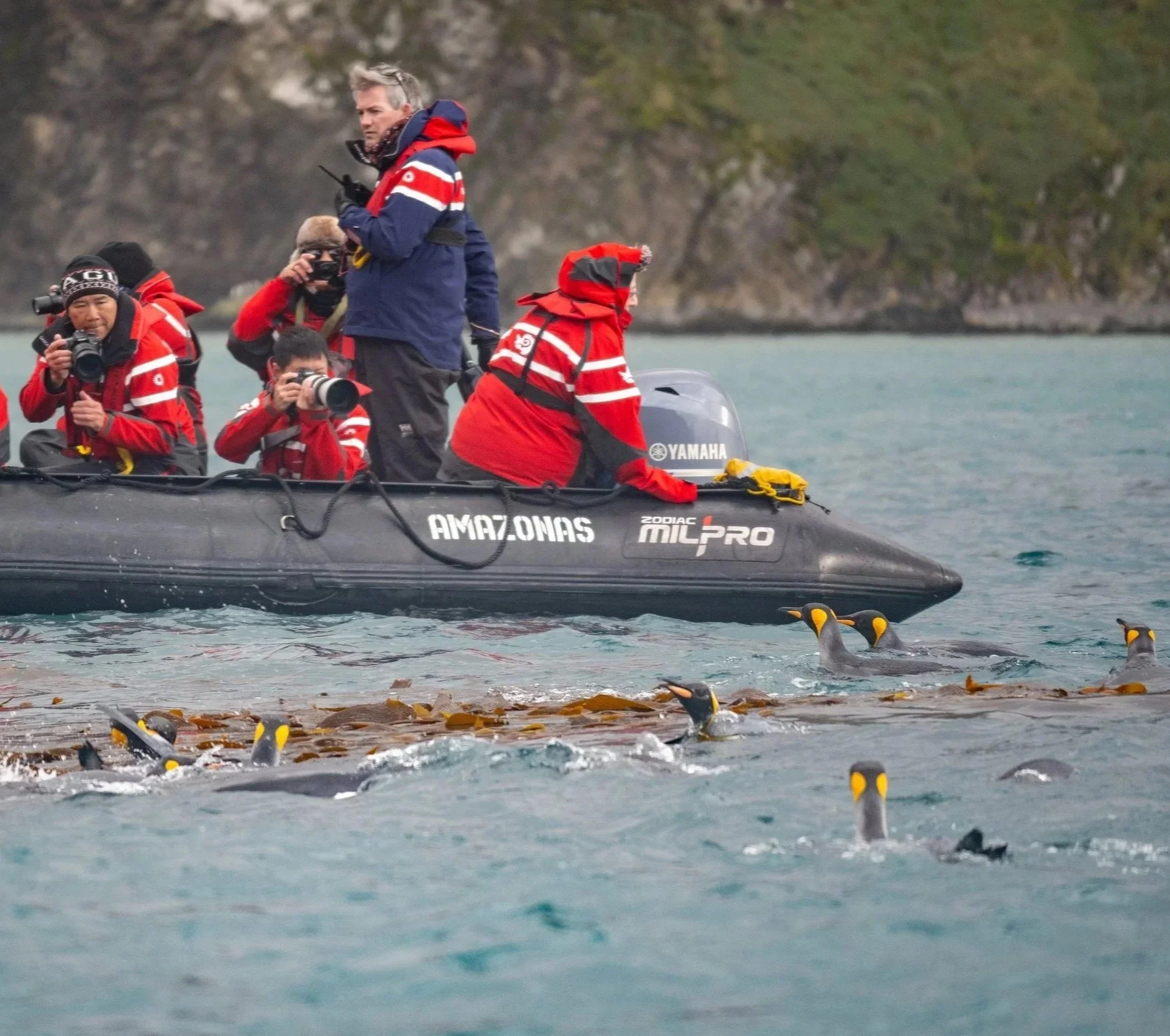
Protect Your Gear on Zodiac Landings
Zodiac cruises and wet landings mean saltwater spray is a constant threat to your gear. A rain cover or simple dry bag for your camera is worth having on hand between shots. A clear waterproof pouch works well too, and it has the added benefit of letting you keep shooting with a phone right through a spray-heavy ride instead of packing it away entirely.
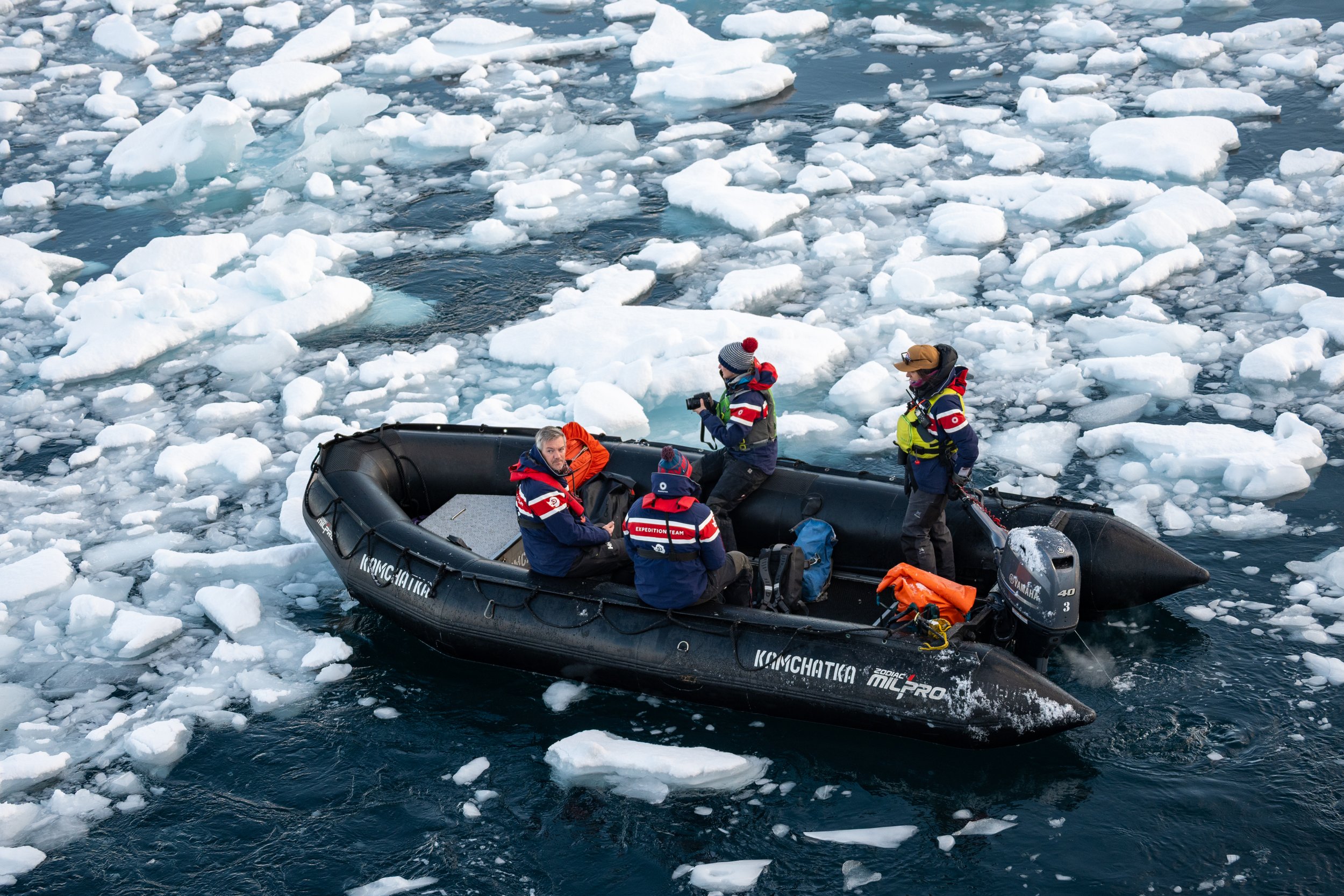
A lens cloth kept in an easily accessible pocket will get more use than almost anything else you pack. Salt spray dries into a fine film on glass that's easy to miss in the moment, so it's worth wiping down the lens, whether it's on a camera or a phone, before every shot rather than waiting until you notice something looks off. By then you may have already missed the picture you were after.
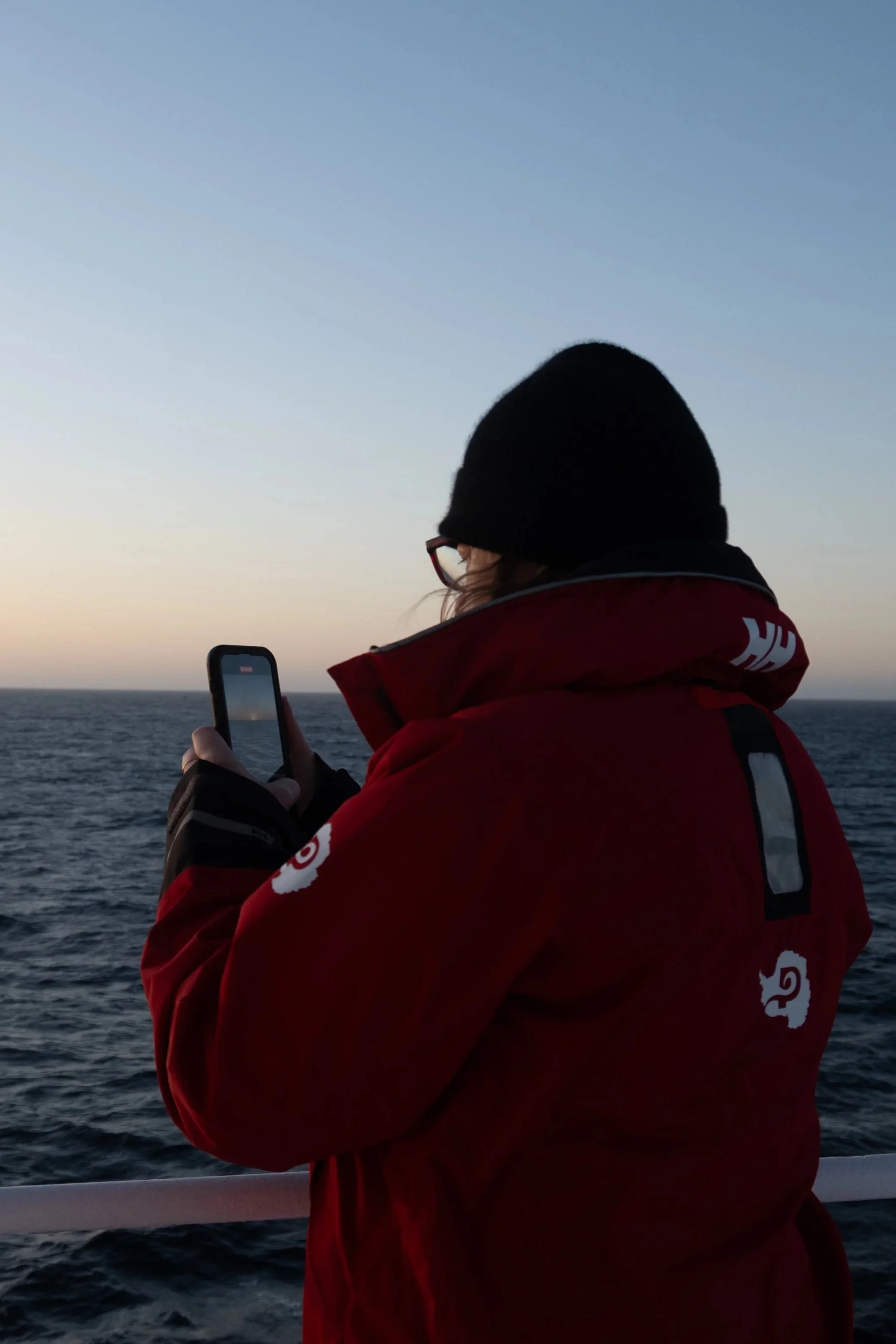
Chase Light at the Edges of the Day
In the summers, Antarctica's long days work in your favor. Sunrise and sunset stretch out with soft, low angle light for hours rather than minutes, giving you a much wider window to shoot in than you'd get almost anywhere else. These golden hours are when ice takes on its most dramatic color, with blues, pinks, and golds reflecting off glaciers and bergs in a way that flat midday light simply can't produce.
This same window is also when the contrast between bright ice and shadowed crevasses is at its most extreme, which can be tricky to expose for. If you're shooting on a phone, switching on HDR or your device's RAW style capture mode, where available, gives you meaningfully more room to recover detail later when editing.
If your ship's schedule allows for early zodiac excursions or late evening time on deck, take them. The light alone is worth the early wake up call or the extra layer to stay out a little later.
Antarctica doesn't need much help looking extraordinary. Your job as a photographer is mostly to stay ready, stay patient, and get out of the way. Bring warm hands, a full battery pouch, and a willingness to wait for the moment, and the continent will do the rest.
Ready to see it for yourself? Explore our Antarctic expeditions and let us help you plan a trip built around the light, the ice, and the wildlife you'll want to spend a lifetime remembering.
Written by Gabriel Rios
Images courtesy of Marika Roberson and Kimberly Roberson