

Blog
1,200 Kilometers Underwater: The Expedition to Save Patagonia's Kelp Forests
in Blog Posts
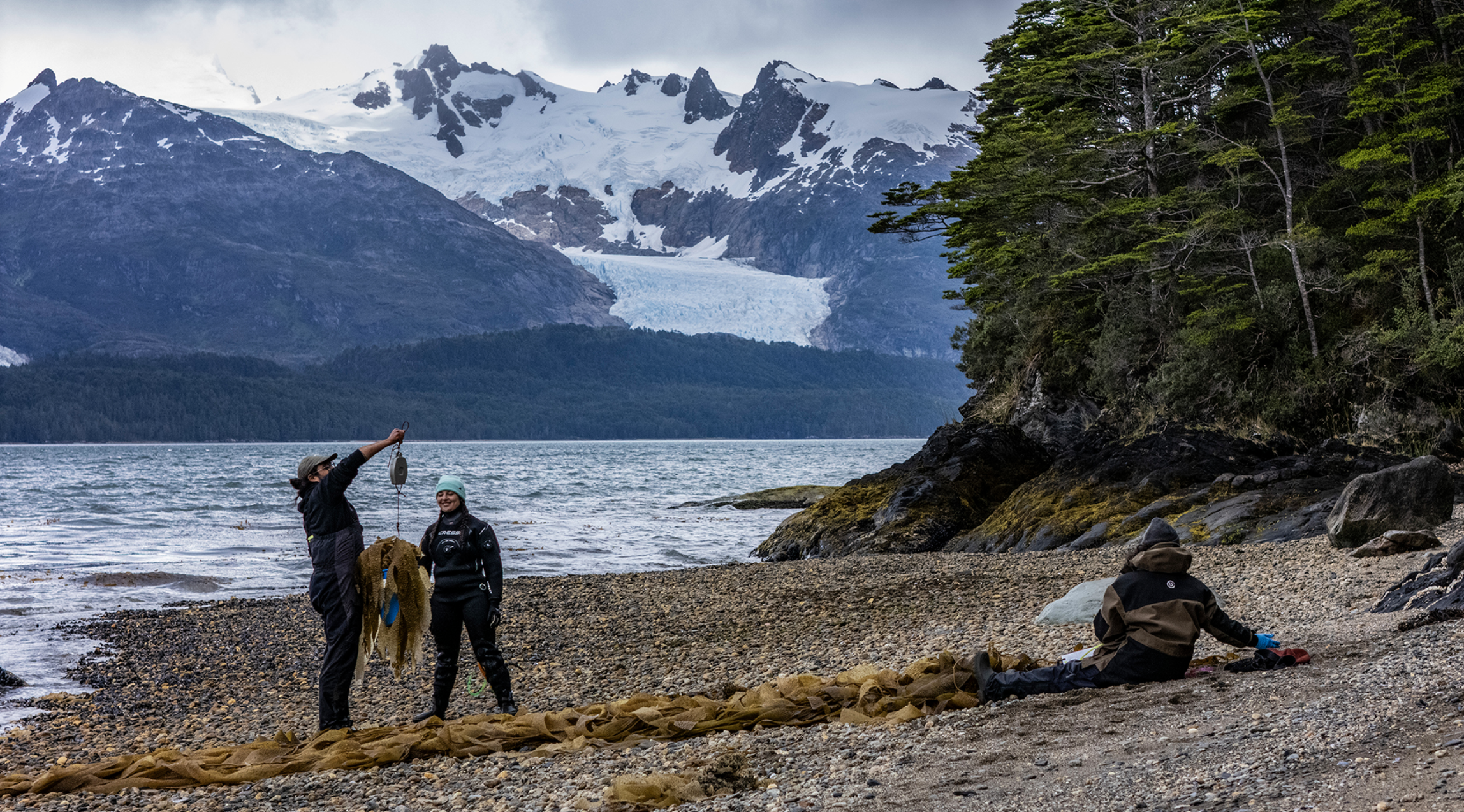
Chile's Patagonia is one of the most remote stretches of coastline on the planet. Glaciers, fjords, and open ocean define the landscape above the water. What lies beneath it is an entirely different story.
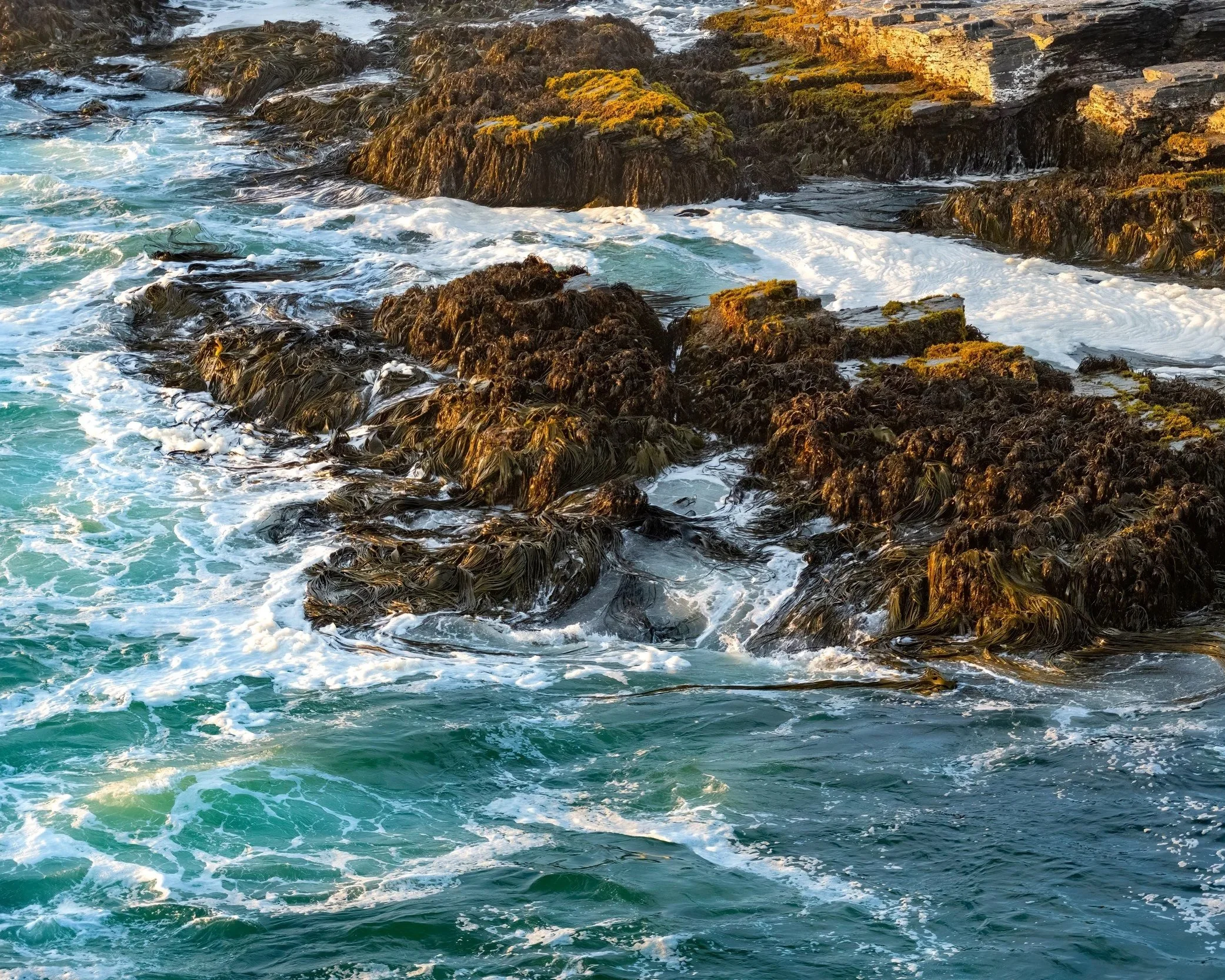
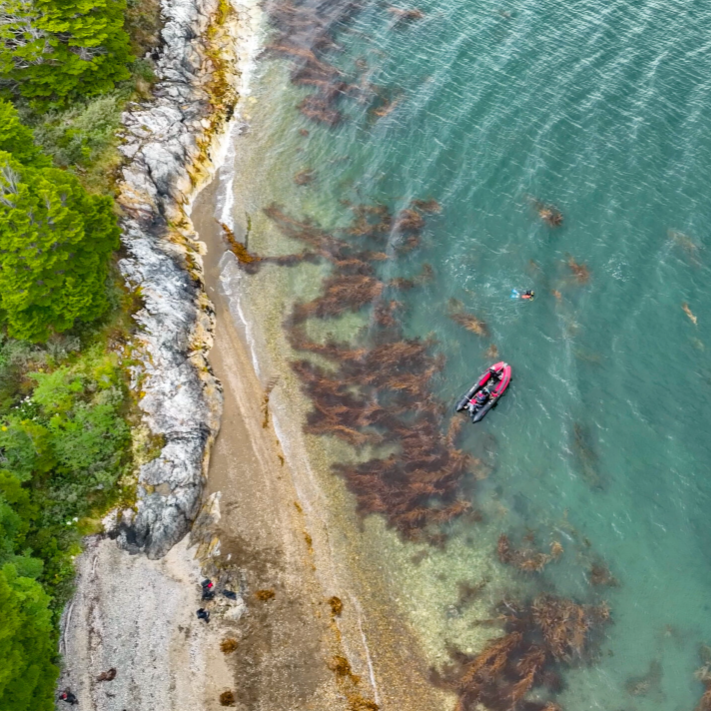
The coastline stretching from the Gulf of Corcovado to Cape Horn is one of the most isolated and biologically rich marine environments on the planet. It is here that the Patagonian Megatransect is now underway. The expedition is led by Rewilding Chile's Marine Program in collaboration with scientists from the Austral University of Chile, the University of Victoria in Canada, and the University of Western Australia. The megatransect, spanning 1,200 kilometers of coastline, aims to document one of the largest and least explored kelp forest ecosystems remaining in the world.
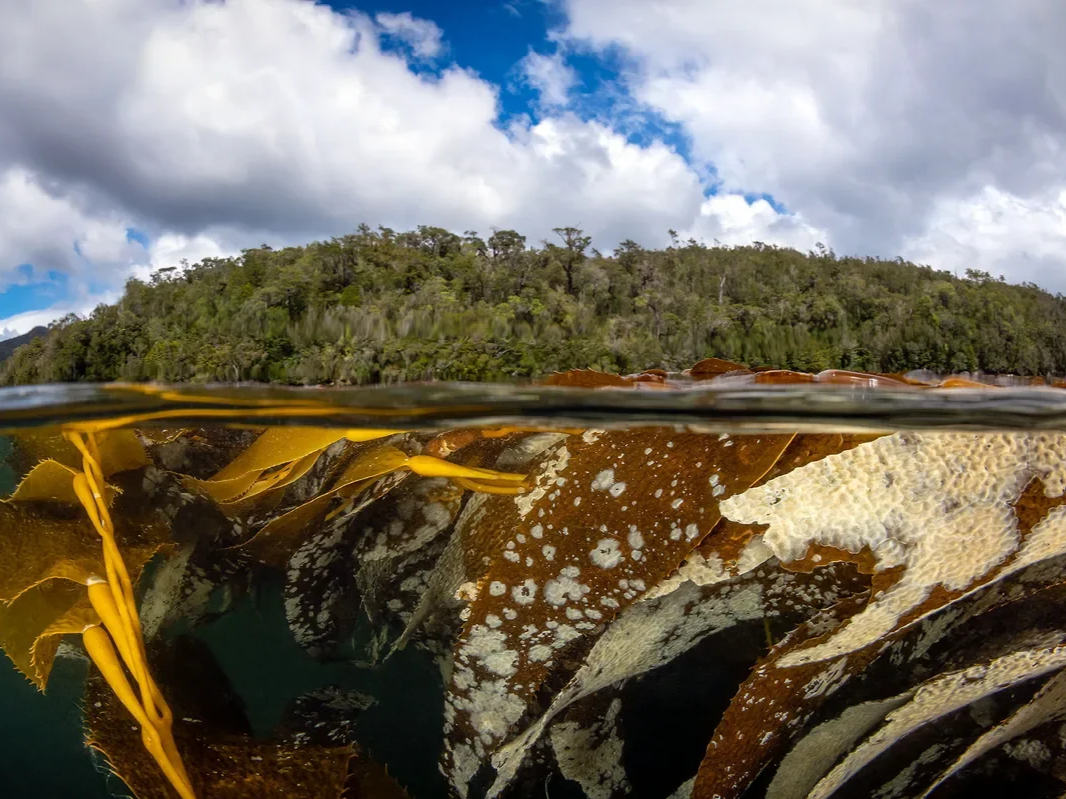
Kelp forests are easy to overlook. They exist beneath the surface, out of sight, and for most people, out of mind. But their role in the health of the planet is hard to overstate. According to Discover Wildlife, giant kelp absorbs twenty times more carbon than terrestrial forests, thanks to a growth rate unmatched by any other living organism on Earth. Under the right conditions, these underwater titans can grow up to 50 centimeters in a single day. Beyond carbon, kelp forests support roughly 75% of global fisheries, providing critical habitat for species like king crab, sea urchins, and Patagonian squid.
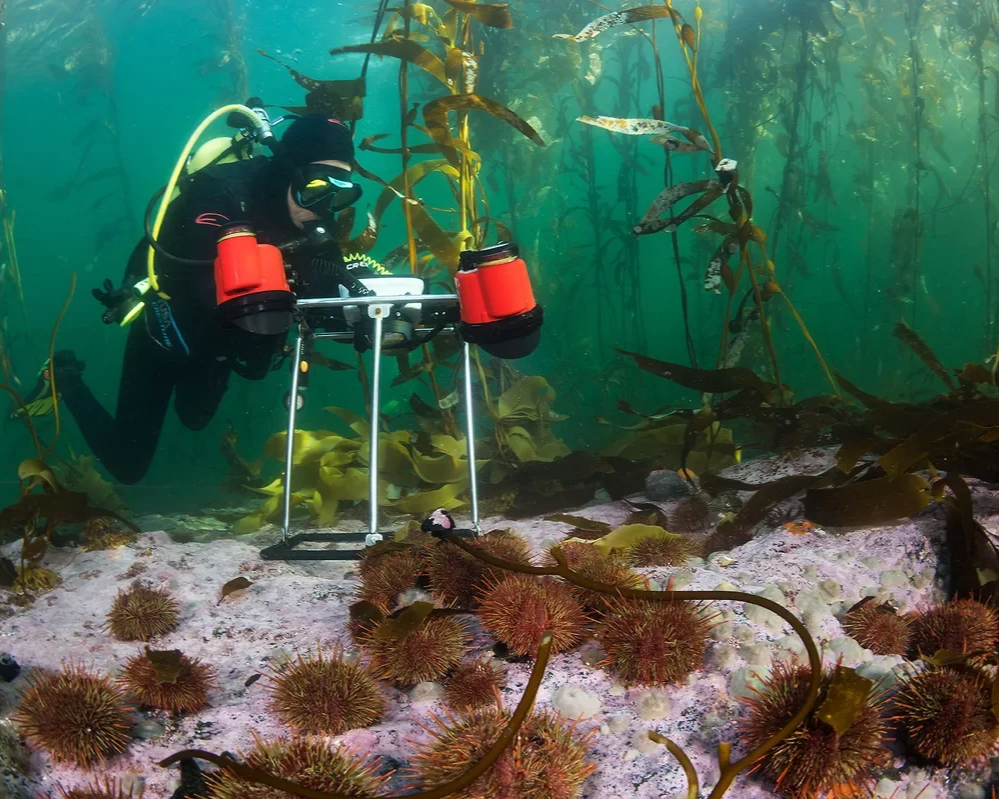
The expedition is not just a survey, it is a race. Across the globe, kelp forests in certain regions have lost up to 90% of their coverage, and the same threats are beginning to surface in Patagonia. Researchers have identified the plumose anemone, an invasive species believed to have arrived in Chilean waters via ship ballast water, which is now spreading rapidly through the region and decimating kelp habitats in its path. What is even more alarming, during the expedition, researchers documented the complete disappearance of a Patagonian kelp forest that had been captured by satellite imagery just two years ago.
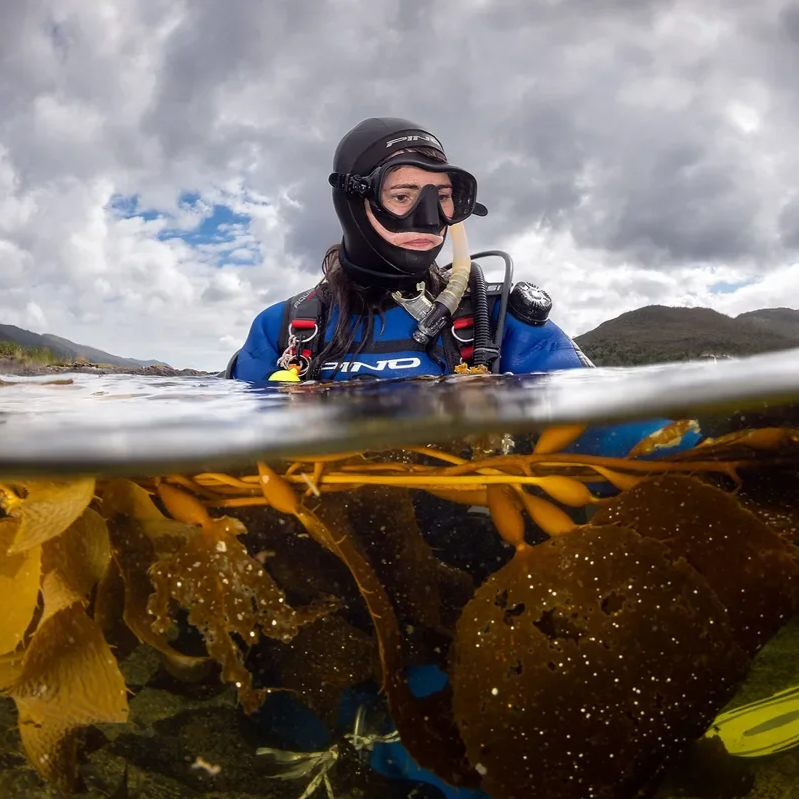
Understanding what is at stake is one thing, doing something about it is another. Over the course of 6 expeditions running through March 2027, scientists will conduct underwater studies across 90 sampling dive sites and 180 scientific transects, using over 7,200 underwater photo quadrants to capture what lives in these ecosystems. Advanced tools like environmental DNA analysis are being used to identify species that traditional surveying would miss entirely. The findings will be published in scientific journals and made available through the Global Biodiversity Information Facility, administered in Chile by the Ministry of the Environment.

What makes Patagonia so significant is precisely how intact it remains. While kelp forests elsewhere have been reduced or destroyed, Chile's southern coastline still holds some of the most resilient and biodiverse examples on the planet.
The implications of this research extend well beyond the water. A detailed map of this ecosystem could give policymakers the evidence they need to establish new marine protected areas along Chile's coastline. That same data could formally position Chile as a global leader in blue carbon, opening the door to international climate funding and long term conservation agreements.
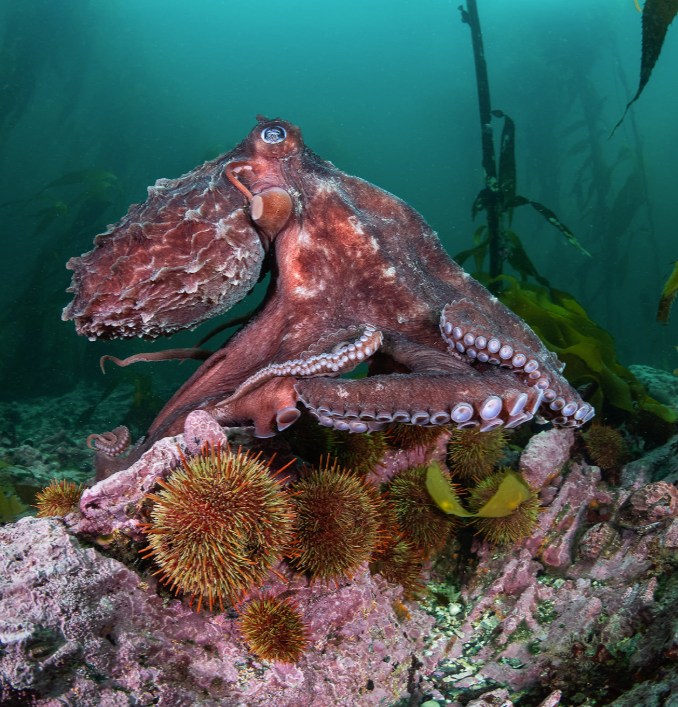
Blue carbon refers to the carbon dioxide captured and stored by ocean and coastal ecosystems, and kelp forests are among the most powerful natural tools we have for doing it. Unlike carbon offset programs that rely on planting trees or industrial technology, this is a system that has been quietly running for thousands of years. Protecting it is one of the simplest and most effective climate solutions available. The data being gathered today is the foundation for decisions that will shape this coastline for generations.
This research is unfolding in real time, in one of the most breathtaking destinations INCA has to offer. Give us a call to start planning your Chilean Patagonia journey today.
Written by Gabe Rios
Sources: Disscover Wildlife, discoverwildlife.com · Rewilding Chile, rewildingchile.org
Image credit in order of appearance: Kelp Collection on Beach © Eduardo Sorensen, Rewilding Chile; Chilean Coast © tifonimages; Kelp Underwater © Eduardo Sorensen, Rewilding Chile; Researcher Collecting Data © Eduardo Sorensen, Rewilding Chile; Researcher with Kelp © Eduardo Sorensen, Rewilding Chile; Kelp Tips on Water Surface © Dr John A Horsfall, Octopus Among Kelp Forest © Eduardo Sorensen, Rewilding Chile, Aerial View of Research Boat © Eduardo Sorensen, Rewilding Chile