

Blog
The Galápagos Just Got Smarter: A New Era of Conservation on Floreana Island
in Blog Posts
When Charles Darwin arrived in the Galápagos in 1835, he did what scientists have always done, he explored, he observed, and he wrote everything down by hand. Nearly two centuries later, the islands are still drawing researchers and conservationists driven by the same curiosity. The research methods, however, are catching up fast.
In May 2026, Floreana Island became one of the first places in the world to launch a Smart Island Monitoring system. Led by Island Conservation in coordination with Fundación Jocotoco, and overseen by the Galápagos National Park Directorate, the initiative represents a meaningful shift in how conservation teams work within one of the world’s most remote and biologically significant ecosystems.
Floreana is a small island, home to roughly 160 residents, no cellular coverage, and terrain that makes traditional monitoring slow and physically demanding. Conservation teams once reviewed thousands of images by hand, made long treks to check individual traps, and waited weeks before data could inform any real decision. The Smart Island system changes that from the ground up.
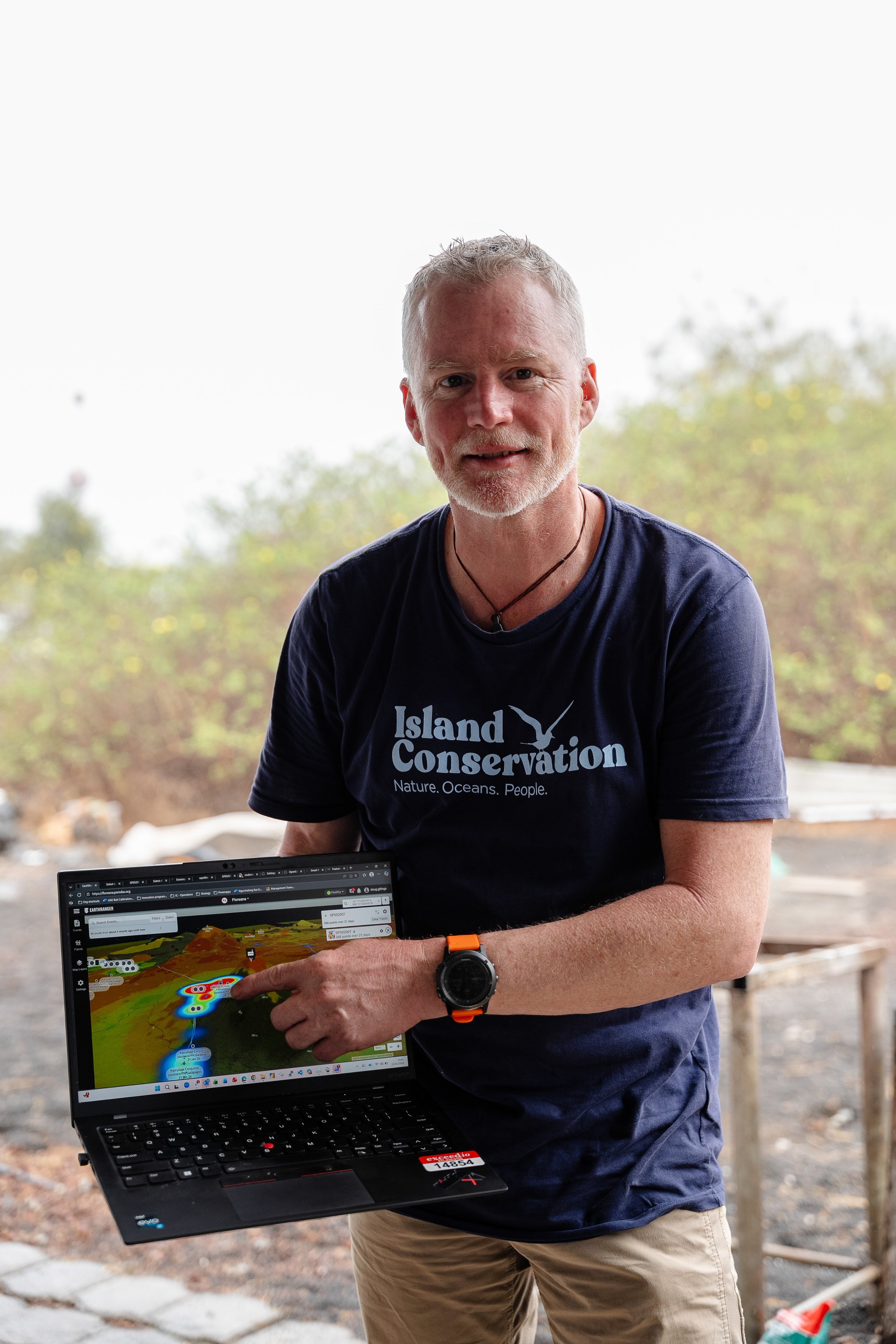
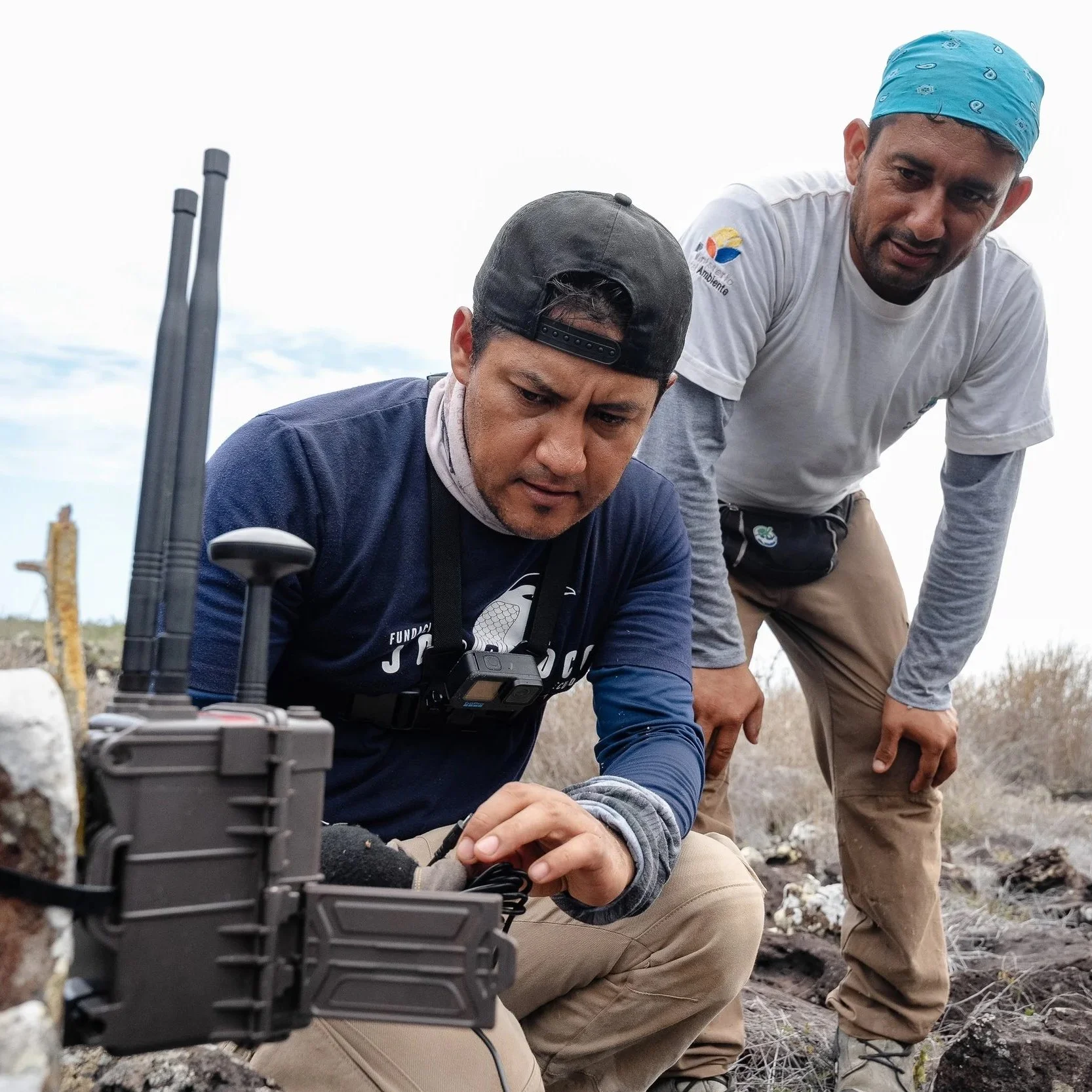
Think of it like a nervous system built across the island. Solar and grid-powered communication towers create a wireless network connecting dozens of cameras, sensors, and tracking devices scattered across Floreana’s landscape. When an animal moves, a camera captures it and a simple pattern-recognition program automatically identifies the species, similar to how your phone recognizes faces in photos. If it detects something that warrants attention, a ranger receives a direct alert on their phone.
All of that information feeds into a central platform that gives the team a live picture of what is happening across the island at any moment. No waiting, no manual review, no unnecessary field trips.
According to Island Conservation, in just over two months of operation, the system reviewed more than 81,000 images automatically, flagged around 1,500 wildlife detections requiring follow-up, and reduced manual monitoring workload by 98 percent, saving the equivalent of roughly 110 staff hours per year. That time is not lost, it is redirected. Rangers and conservation staff can spend less time behind a screen reviewing empty footage and more time in the field where their expertise actually matters.
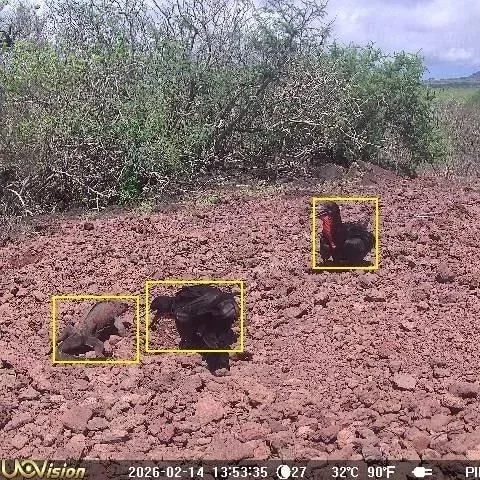
The system is also revealing things that were nearly impossible to document before, including the mapped movements of the Galápagos short-eared owl and rare interactions between owls, frigatebirds, and marine iguanas, observations that once would have required weeks of fieldwork and a fair amount of luck.
A fair question worth raising: is AI bad for the environment? In large-scale applications, energy consumption is a legitimate concern. The technology at work on Floreana is far more modest, a targeted image recognition tool doing a specific, narrow job. Its footprint is small, and the conservation value it delivers far outweighs it.
The next phase will scale the network to support up to 450 cameras and more than 200 sensors. As Down to Earth reported, the broader goal is not just to protect Floreana but to establish a replicable model that can be deployed across other vulnerable islands throughout Latin America and beyond. With smarter analysis tools on the horizon, teams will be able to identify threats earlier, track the recovery of reintroduced species over time, and build a long-term scientific record of an ecosystem coming back to life. For a place like the Galápagos, where every species plays a specific and irreplaceable role, that kind of continuity matters enormously.
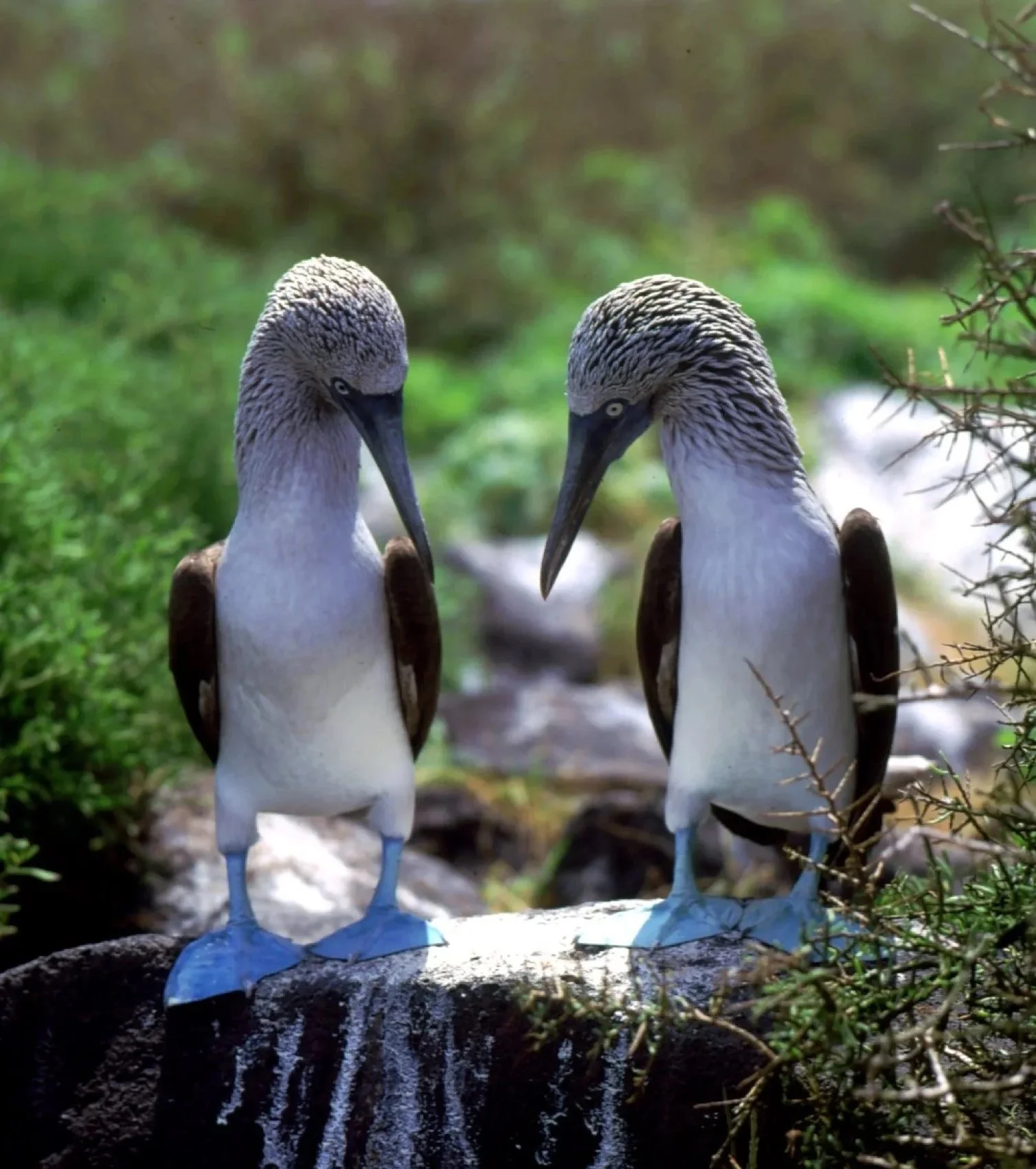
The Galápagos is home to some of the most extraordinary wildlife on the planet, blue-footed boobies, marine iguanas, tropical penguins. The people behind this technology are fighting to make sure this precious ecosystem is preserved.
Written by Gabe Rios
Sources: Island Conservation, islandconservation.org · Down to Earth, downtoearth.org.in
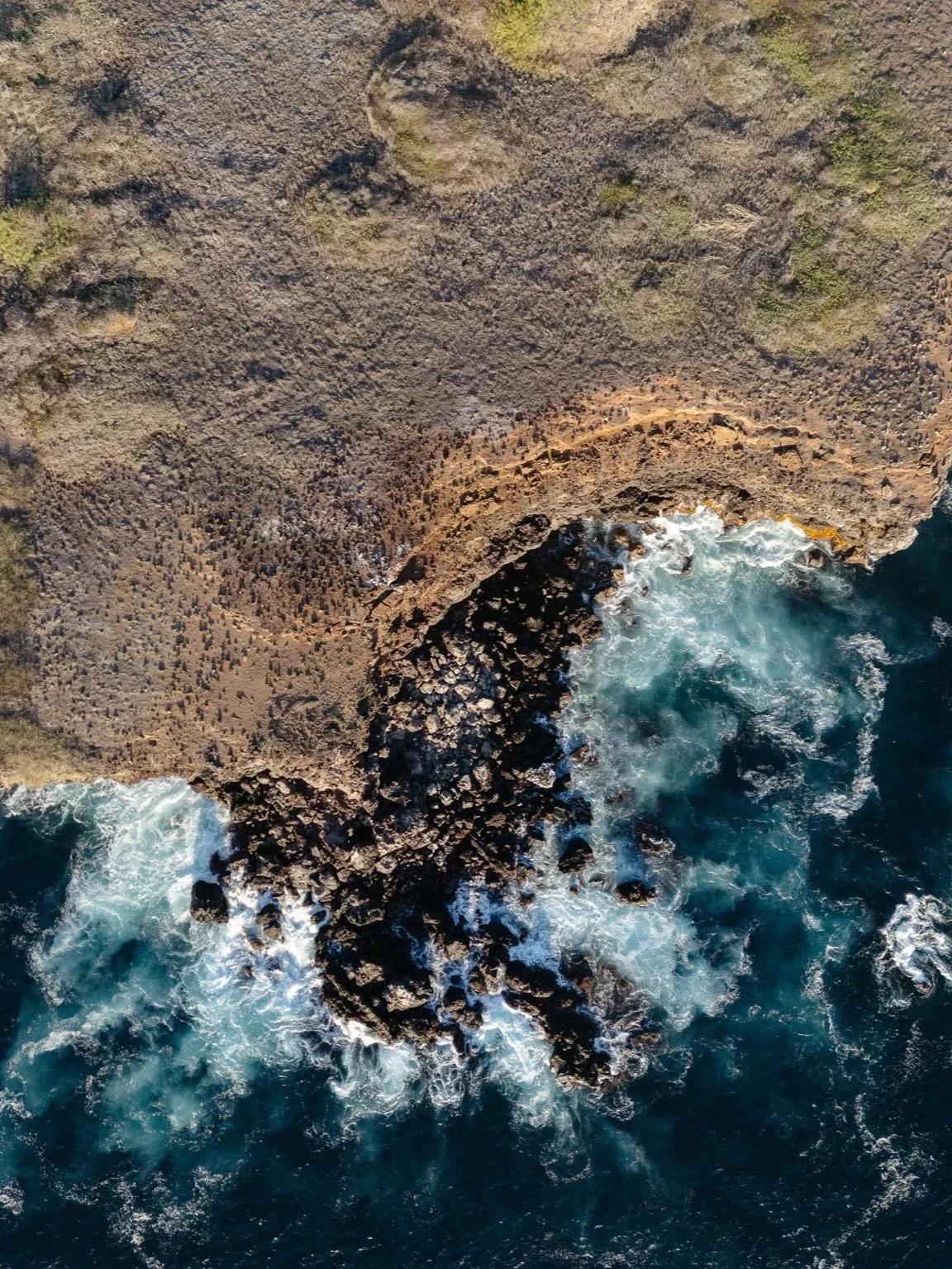
Image credit in order of appearance: Floreana Coastline © Island Conservation; Doug Gillings Shows Monitoring System © Island Conservation; Camera Setup © Island Conservation & Jocotoco; Example of Camera Monitoring © Doug Gillings; Pair of Blue-Footed Boobies © Wes Walker; Galápagos Landscape © Martin Sikma