

Blog
The Glacial World of Patagonia's Fjords
in Blog Posts
Patagonia’s fjords, glaciers, and coastal ecosystems are changing fast. Rising temperatures and glacial retreats mean that these dramatic landscapes are not as permanent as they once seemed. But there is hope: conservation initiatives across Chile and Argentina, from expanded marine protected areas to new preservation programs, are giving Patagonia’s wild places a fighting chance.
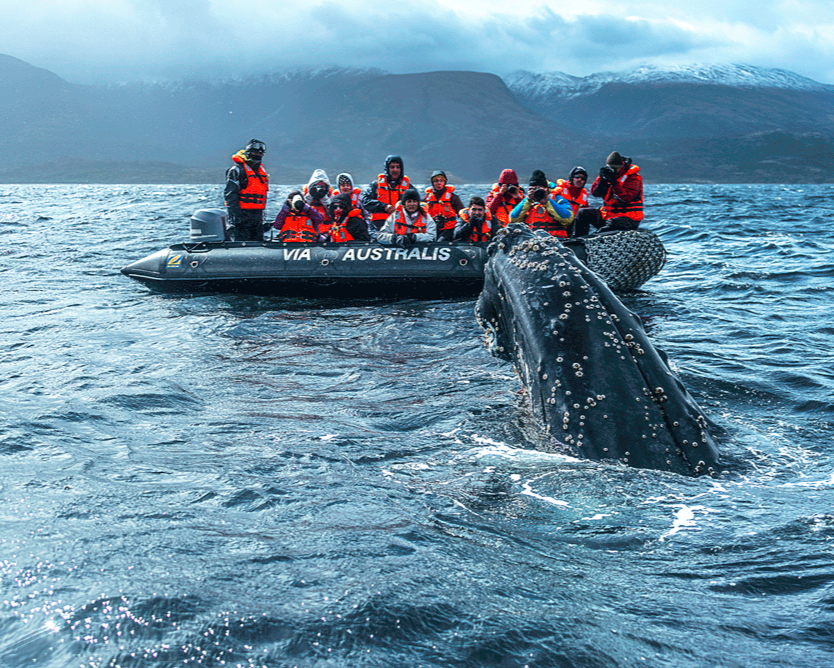
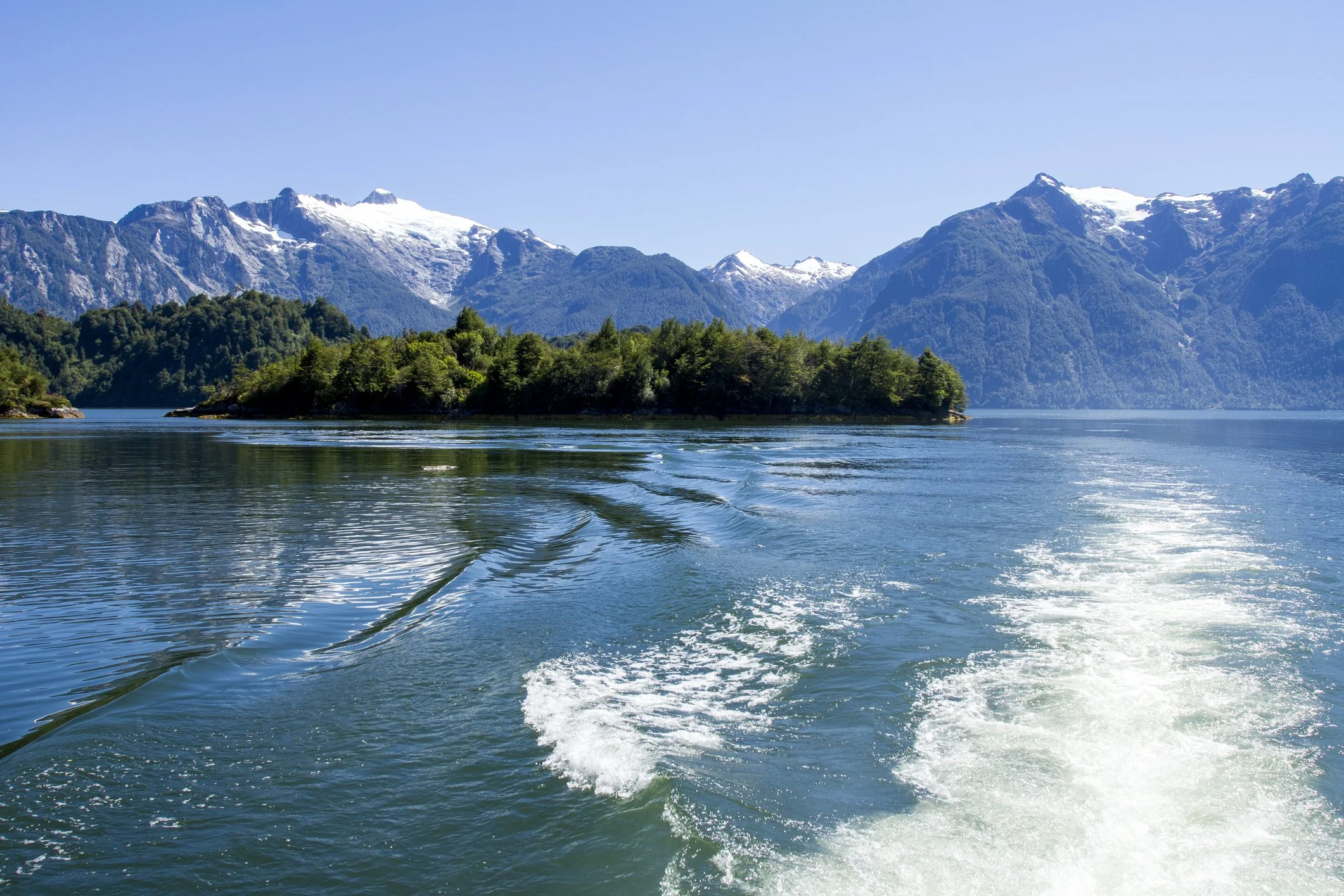
A voyage through the southern fjords offers an intimate view into this region that few travelers ever get. These purpose-built ships navigate narrow channels and hidden coves that larger vessels cannot reach, bringing you face-to-face with landscapes that were first shaped over 2 million years ago. Towering cliffs and waterfalls frame fjords that have been carved over millennia, while the waterway itself is filled with life. Dolphins play in the ship’s wake, as sea lions sun themselves on rocky outcrops and migrating whales pass through the icy channels.
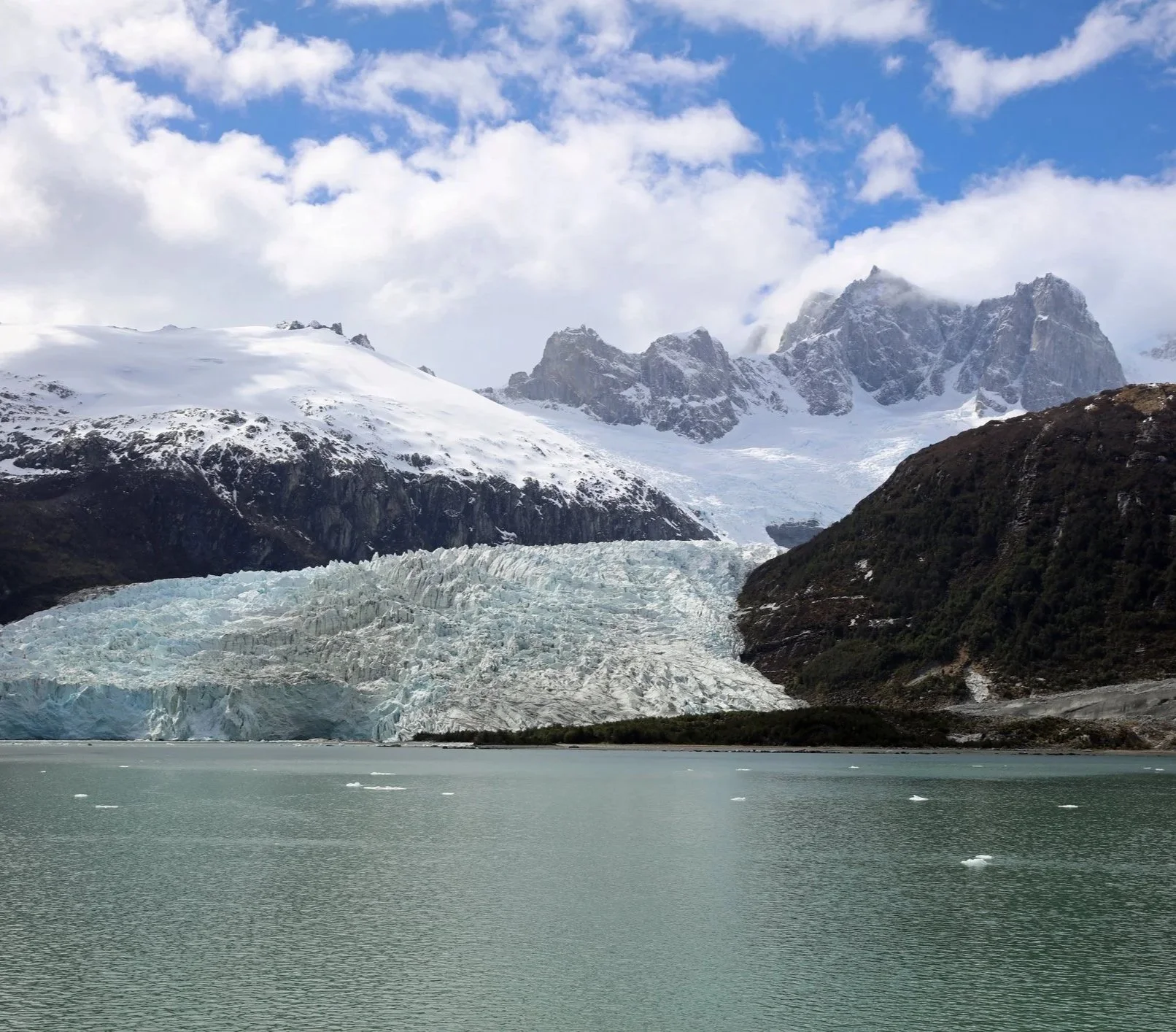
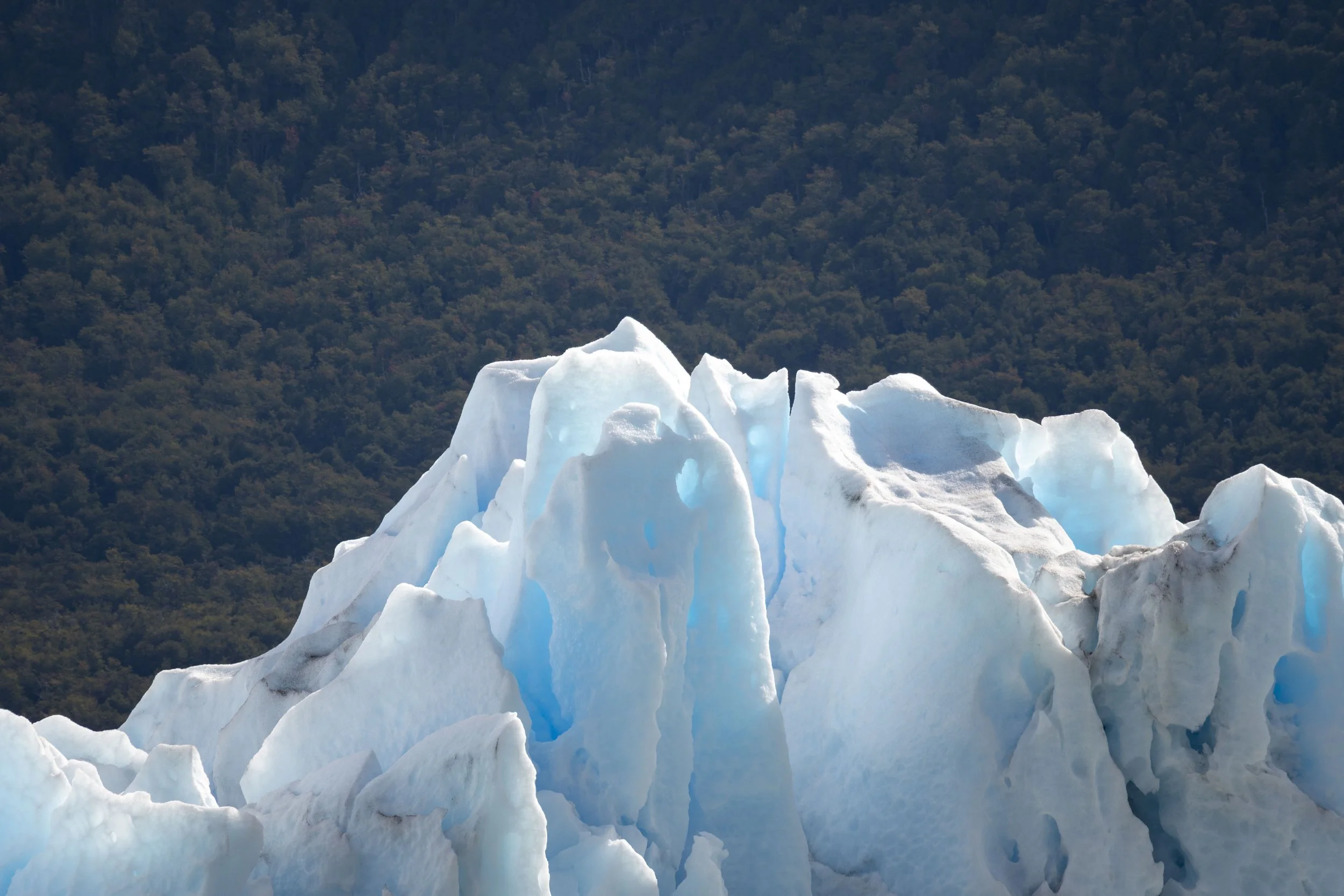
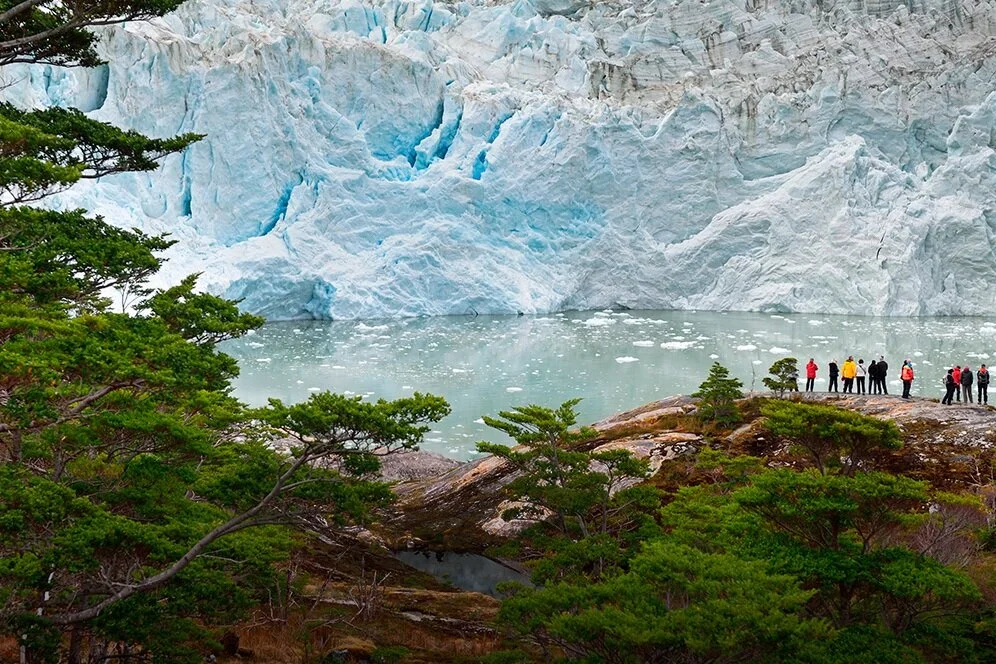
At the heart of this journey are the glaciers. The secluded Pia Glacier, accessible only by sea, is astoundingly large, with ice walls over 300 feet high and a total square footage the size of Chile’s capital city, Santiago. While most Patagonian glaciers are shrinking dramatically, the Pia glacier is one of the few in the world that continues to grow. Porter Glacier winds between rocky cliffs, while glaciers descending from the Darwin Mountain Range, like the melting Aguila Glacier, form lagoons that you can explore on foot. The chance to trace the valleys of these icy monuments, formed before humans ever walked the Earth, is awe inspiring — but it’s also a lesson in Earth’s fragility.
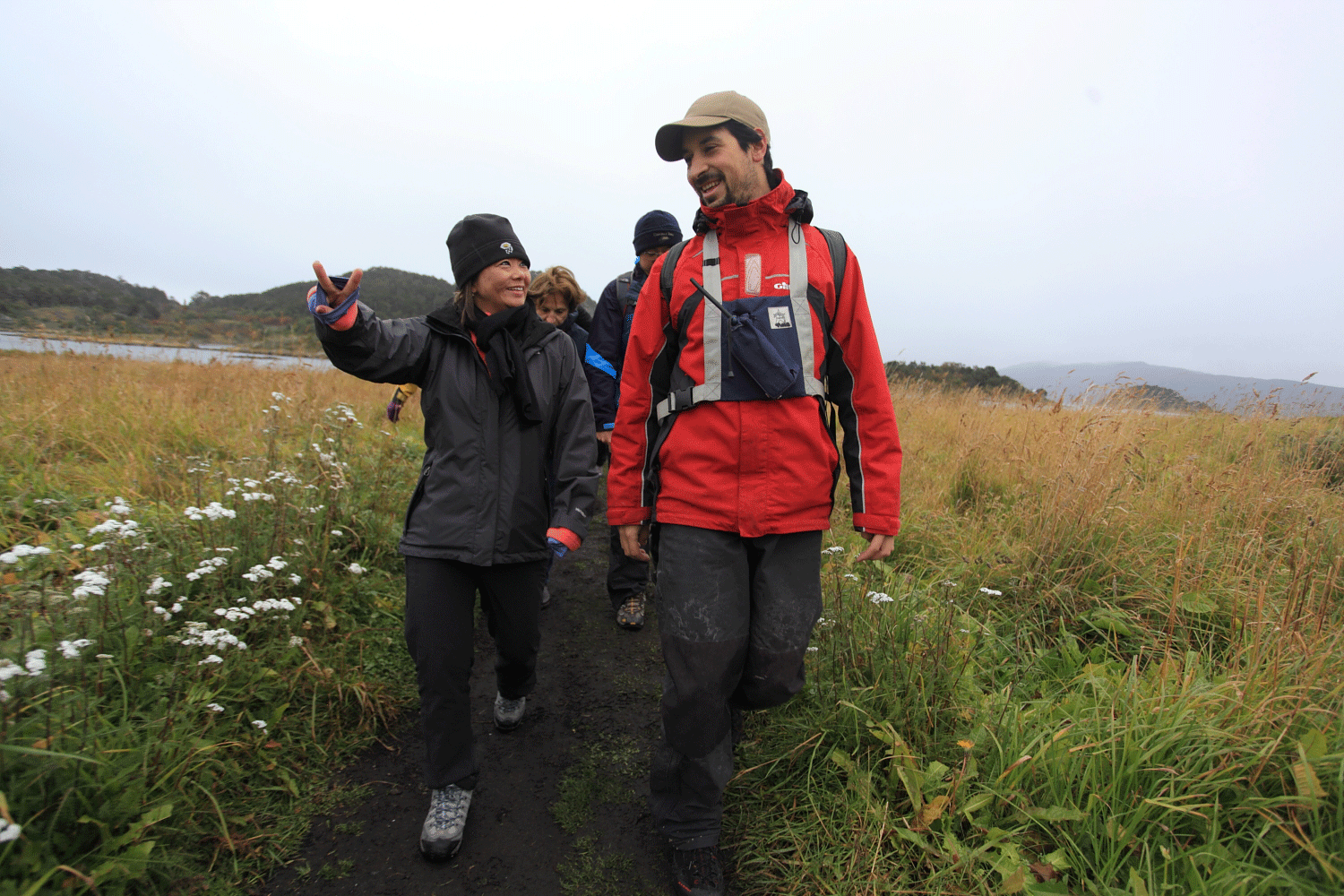
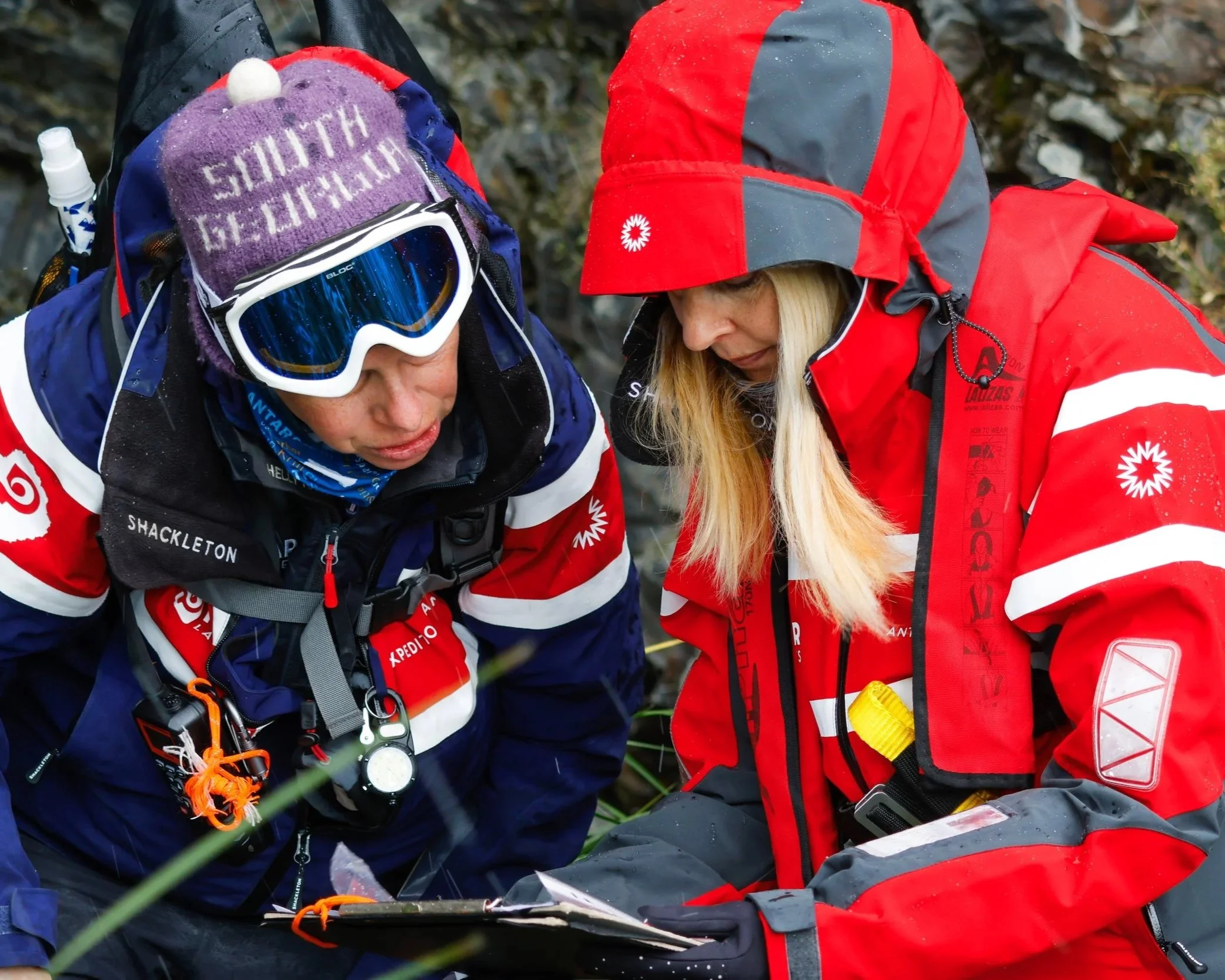
Every excursion, whether a zodiac ride through a secluded channel or a walk along a glacial lagoon, transforms your journey into an active engagement with this remote environment. Experienced guides share the science behind glacial formation and the role these ice giants play in shaping the landscape, while also highlighting how preservation initiatives are helping local wildlife and ecosystems.
Patagonia’s fjords and glaciers are living, changing wonders. By visiting responsibly, travelers become part of their story, supporting the efforts that help protect these wild places for the future. There has never been a better time to see them than now.