

Blog
Citizen Science in Antarctica: When Travel Becomes Contribution
in Blog Posts
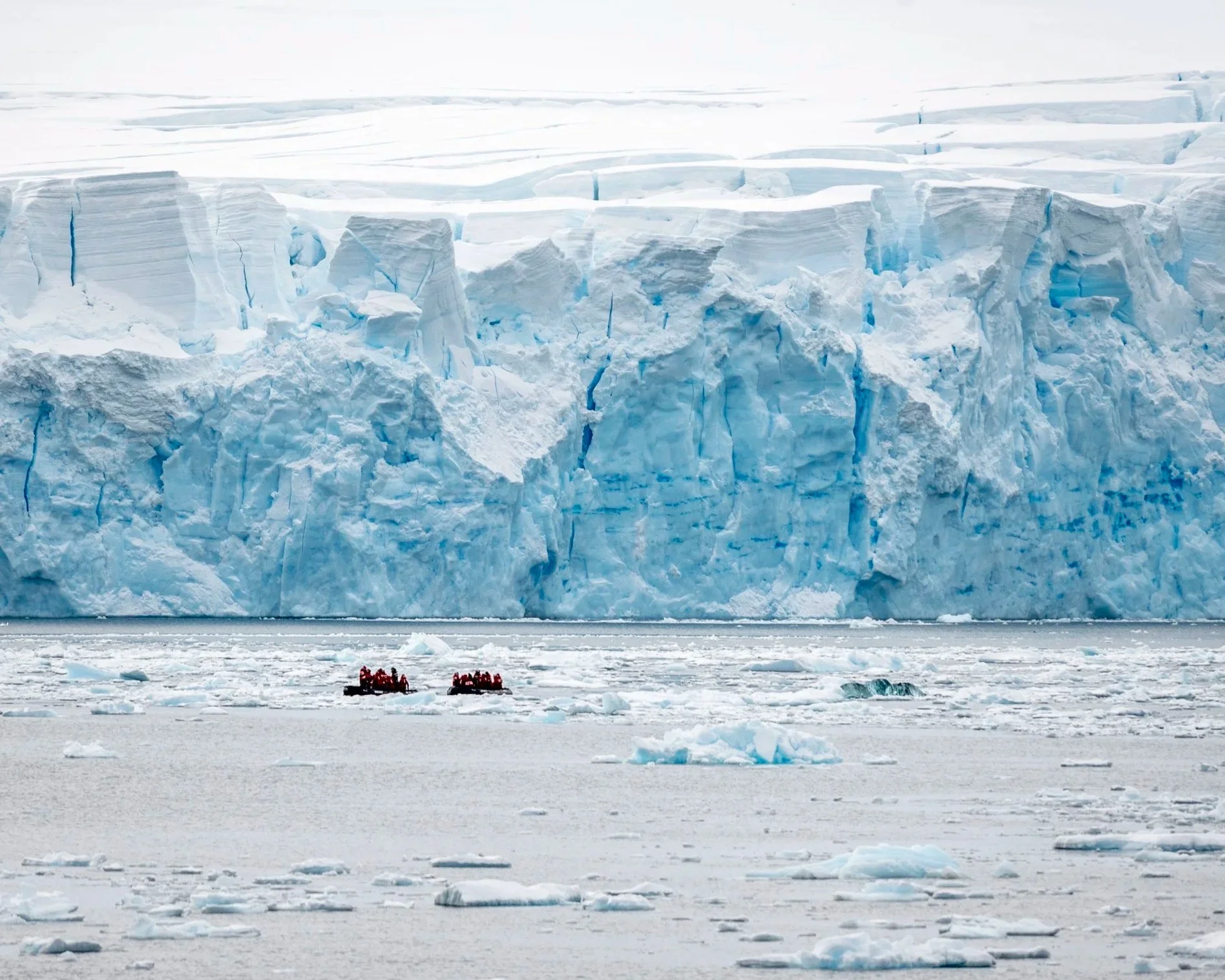
When we venture into the world, our impact is felt by the places we go, just as it is felt in the heart and soul of ourselves. There may be no destination that exemplifies that more than Antarctica, and at INCA, we are mindful to always travel there with care and intention. One very real way to do this is through citizen science—the public’s participation and collaboration in scientific research. Citizens, and in many cases travelers, help further our collective knowledge by contributing to the collection of data on a scale not available for traditional science alone.
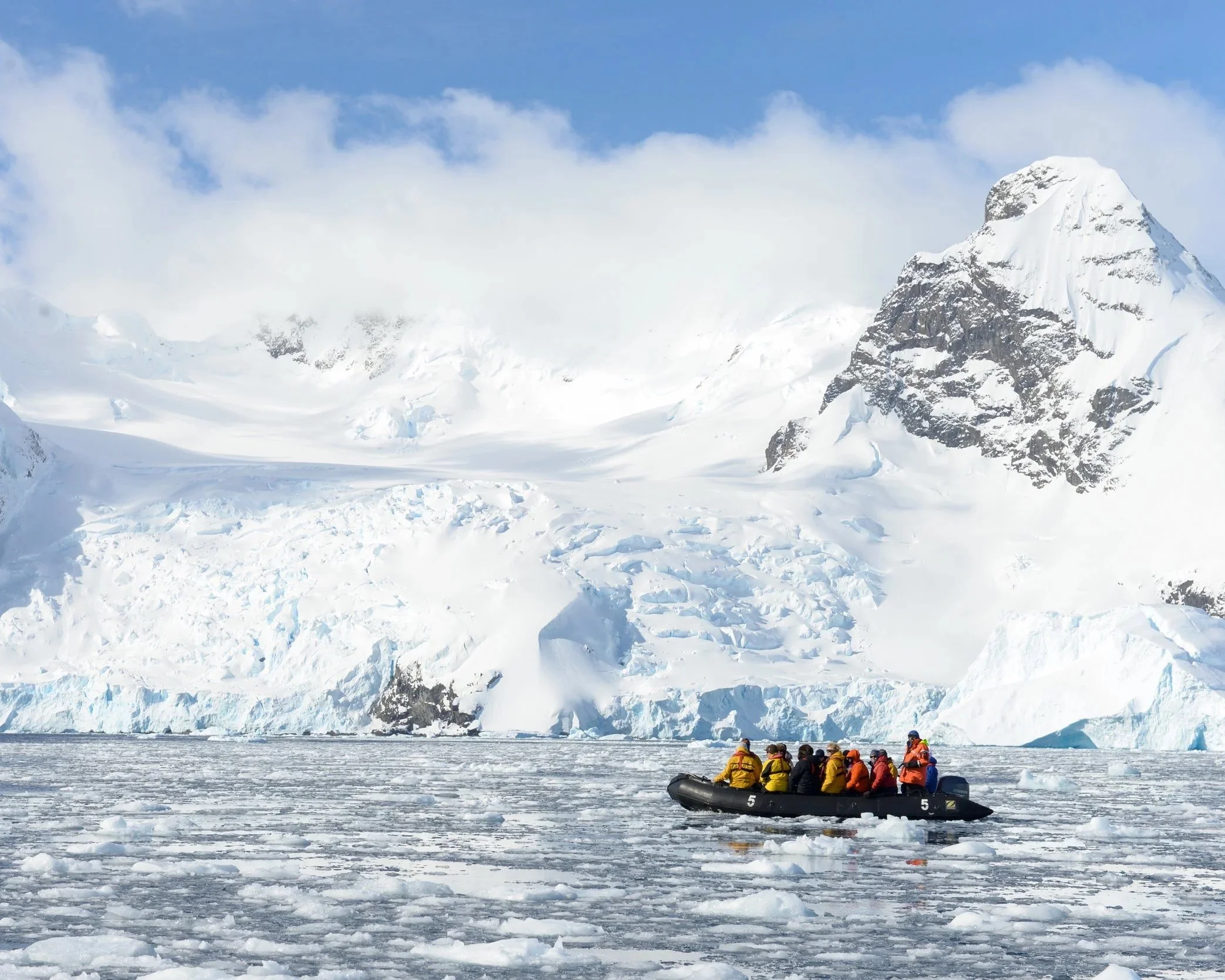
The data provided by polar regions about the very nature of our planet has long been sought after—and for good reason. There is so much that is unique about the coldest and most remote places on Earth: the biome stands on its own, the flora and fauna are resilient in the harshest conditions, and the people who go there are themselves a unique part of our species. Human history in Antarctica is relatively short, but the natural history is long and illuminating. Because humans have such a difficult time living in the region, nature is still king—something we actively seek to maintain and study.
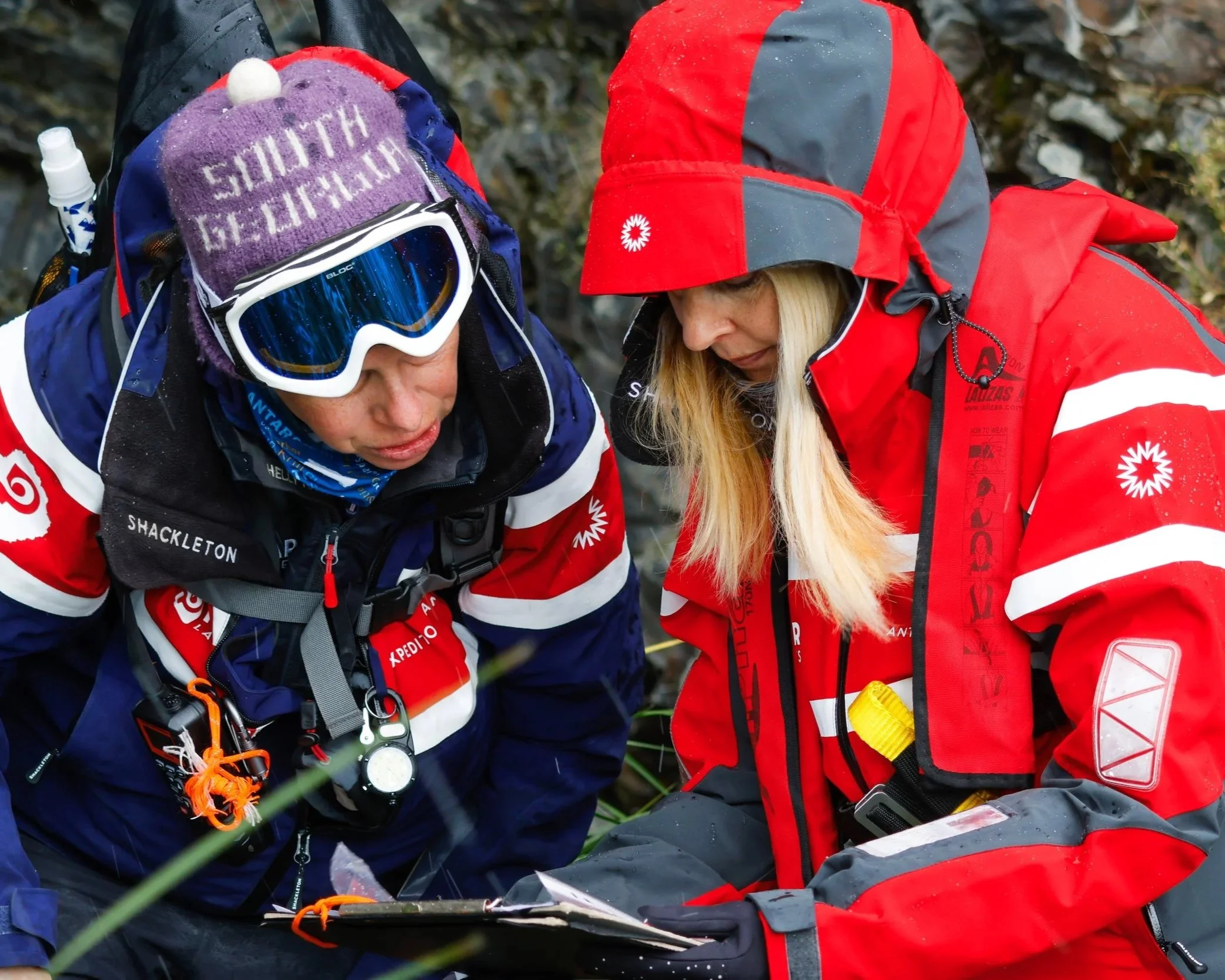
Due to the remoteness and high expense of reaching Antarctica, scientists have often struggled to find the resources needed to document the region’s natural phenomena. That is where citizen science plays a vital role. Too often, tourism is an extractive experience: people travel, have a good time, and return home feeling the journey has ended, existing only as a memory. We try to change that by engaging more deeply with a destination. By making each traveler a potential vessel for research, the impact lives on—both in the traveler and in the place—in a positive way.
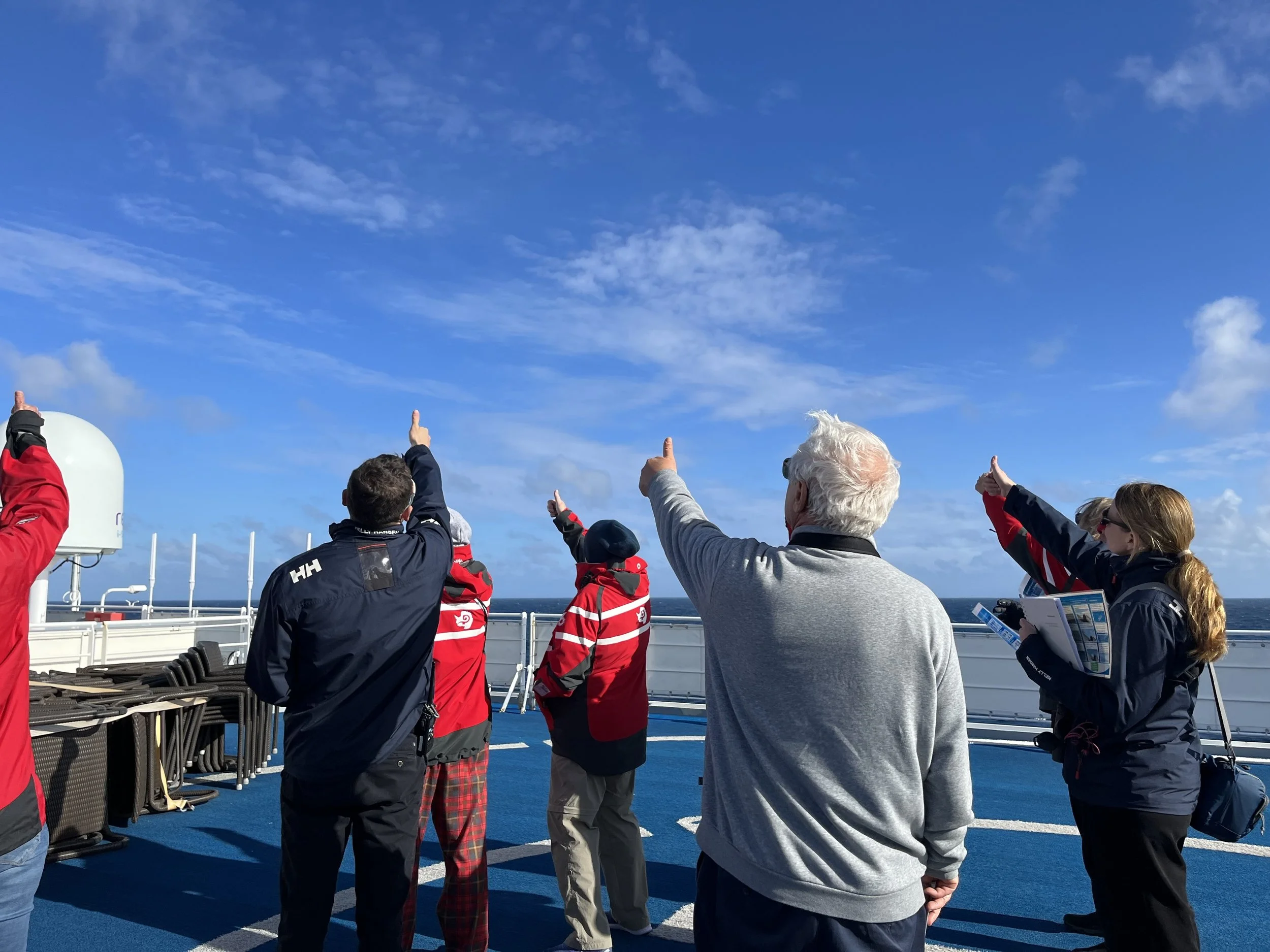
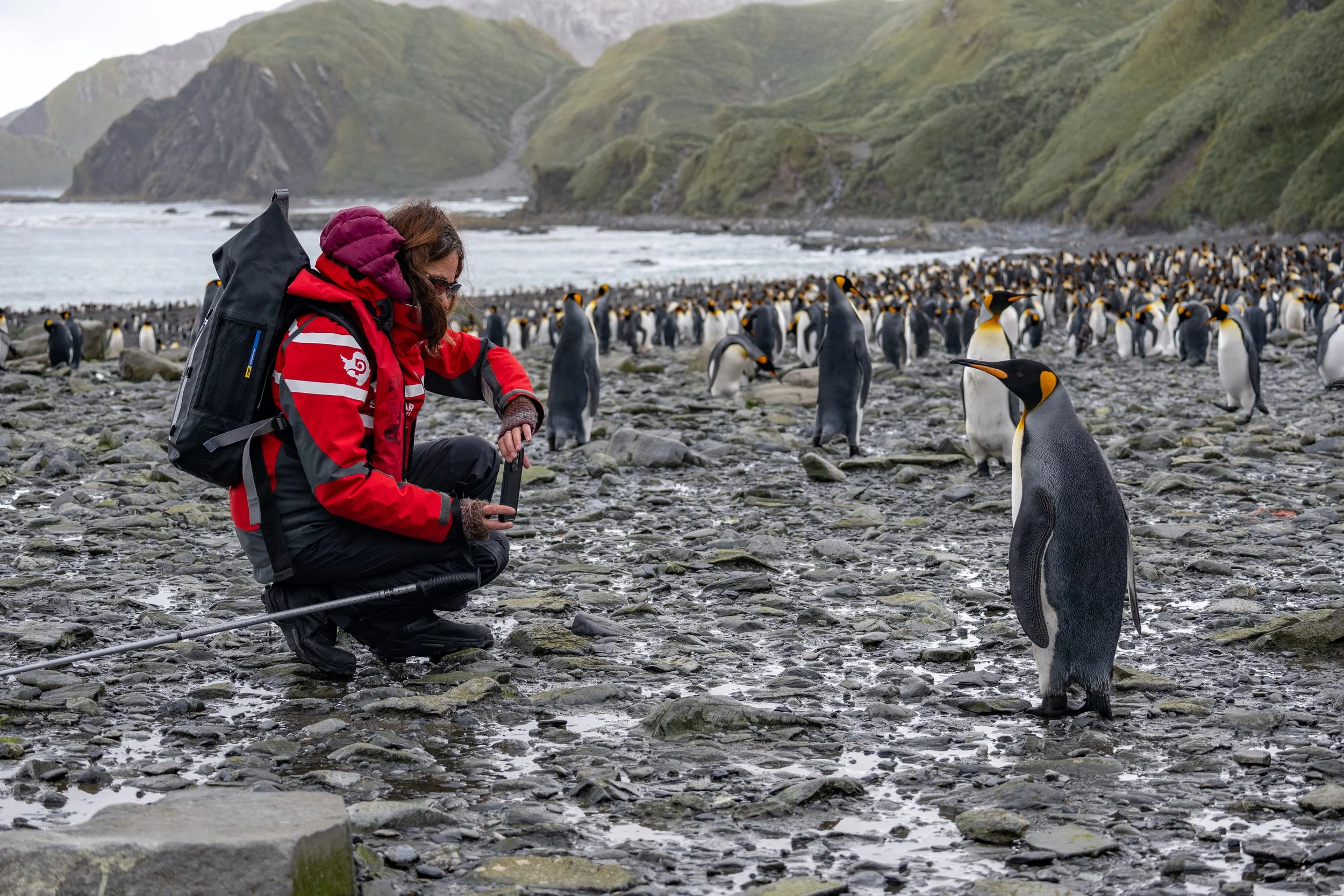
Guests who embark on an INCA excursion to Antarctica, operated by Polar Latitudes, can help researchers in a variety of ways: they might participate in bird-sighting surveys, document details about the behavior of remote species, or collect water samples to learn how melting glaciers affect the ocean's salinity. By recording cloud cover and type, then timing it with NASA satellite flyovers, they can help scientists understand how clouds respond to a changing climate.
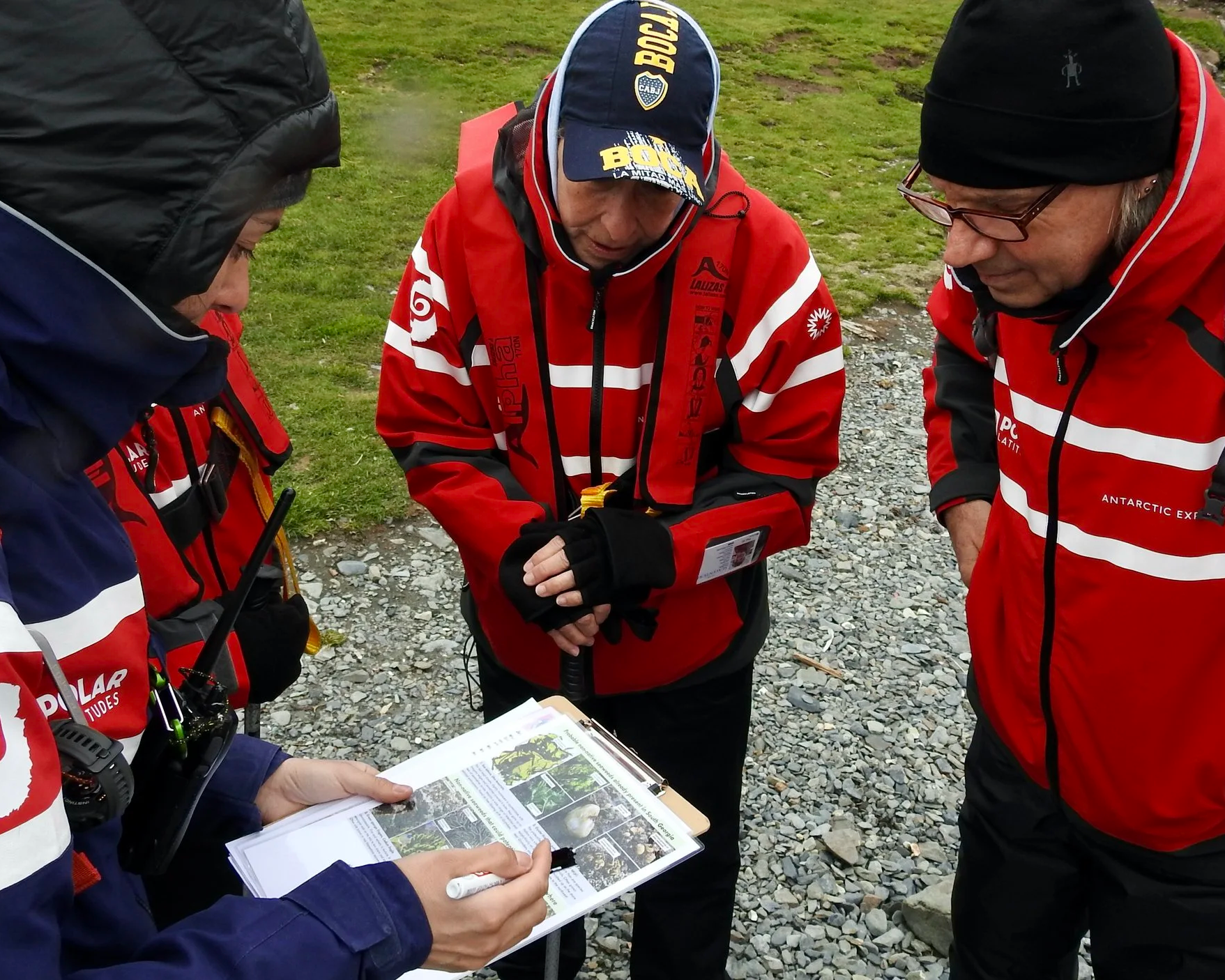
This data complements what traditional science cannot capture on its own. The journey helps support data collection at greater scale and over longer periods, revealing the subtle ebbs and flows of the natural world. Seeing it unfold is extraordinary. At the same time, it gives each traveler the chance to be part of a destination in a way that goes deeper and lasts longer. Many projects, such as bird and whale tracking, remain interactive even after the trip has ended. Travelers can follow progress, observe changes, and see the real consequences of their participation in this scientific research.
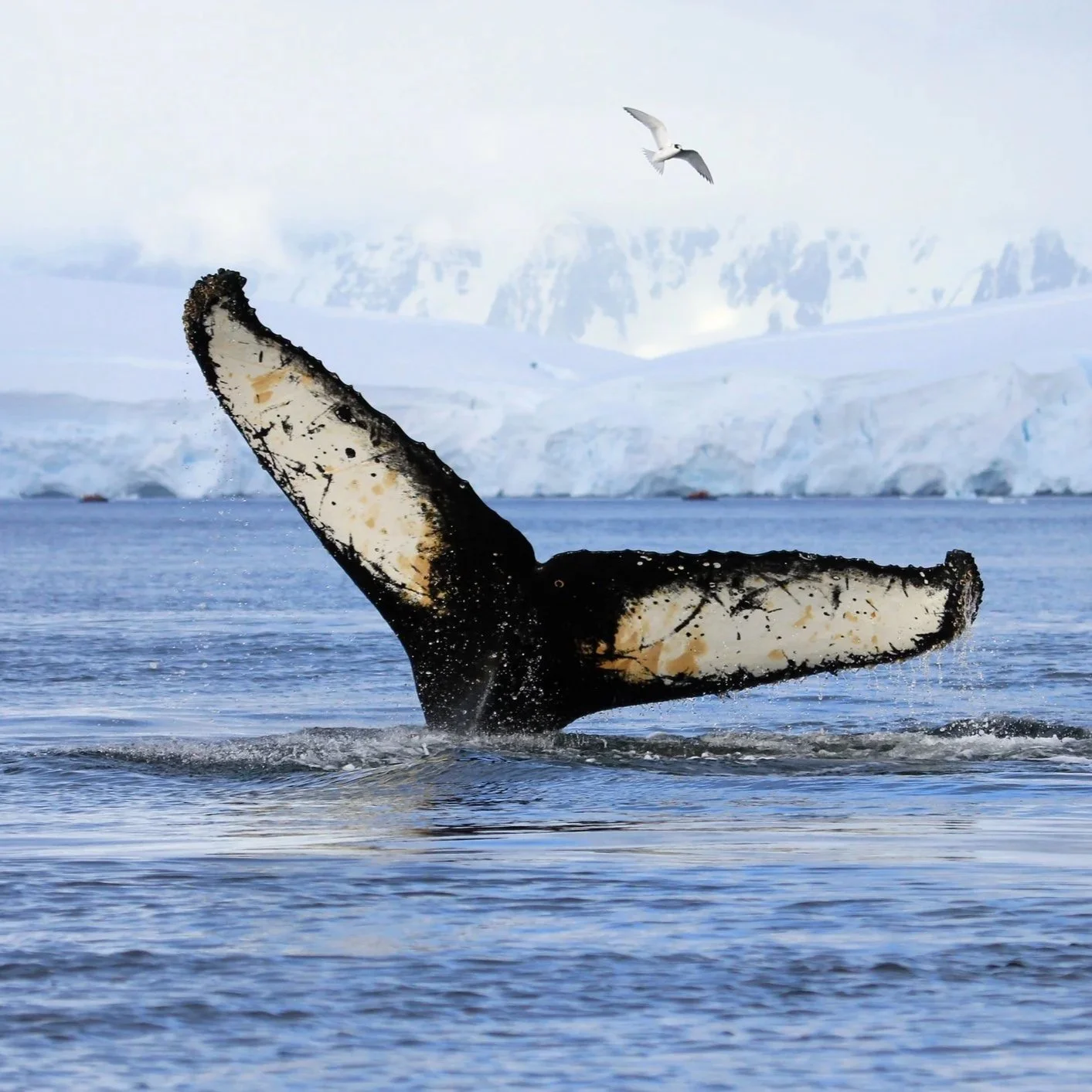
Recently, a slowdown zone for ships was agreed upon in a high-activity area for humpback whales, reducing stress on the animals. This would not have been possible without the help of travelers collecting and submitting their own data through citizen science programs.
There are currently more than ten projects being supported by the data travelers collect on trips with Polar Latitudes, all with real engagement and measurable impact. Though the contributions may seem small, shifting how we interact with travel holds enormous potential for positive change. Through citizen science, travel becomes a force for long-term care and lasting benefit.